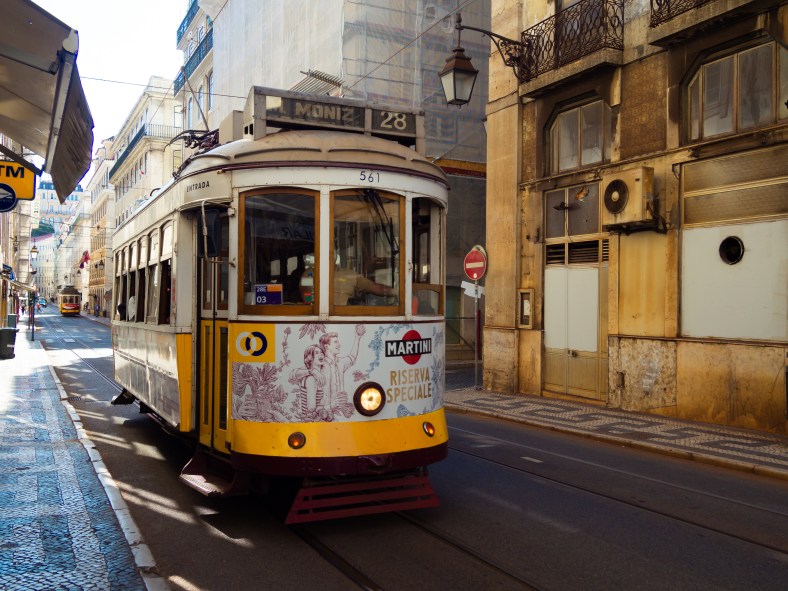
Lisboa

Lisboa

As a famous Fado song say, “Cheira bem, cheira a Lisboa” (Smells good, smells like Lisbon).

(The 1st of July 2020 Portugal is celebrating the 100th Birthday of Amalia Rodrigues, the best and most famous Fado Singer.)

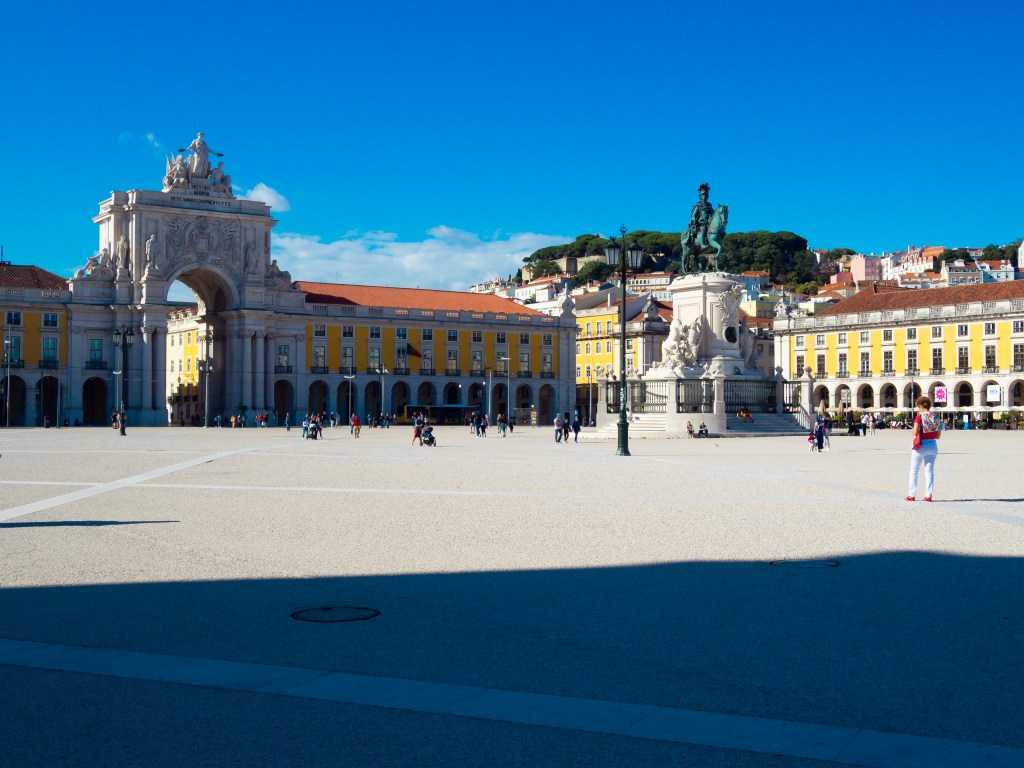
The capital of Portugal is a city of contrast. There is not a lot of people living in the city in comparison with other European and world capitals (near six hundred thousand). Despite this, is always crowded.

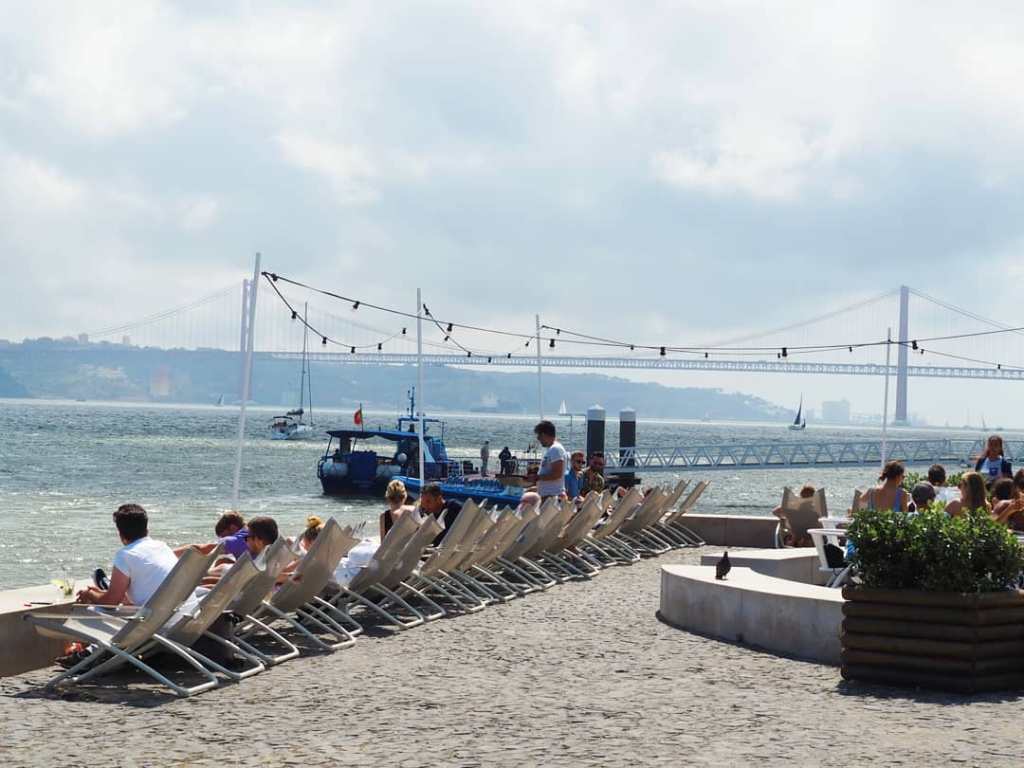
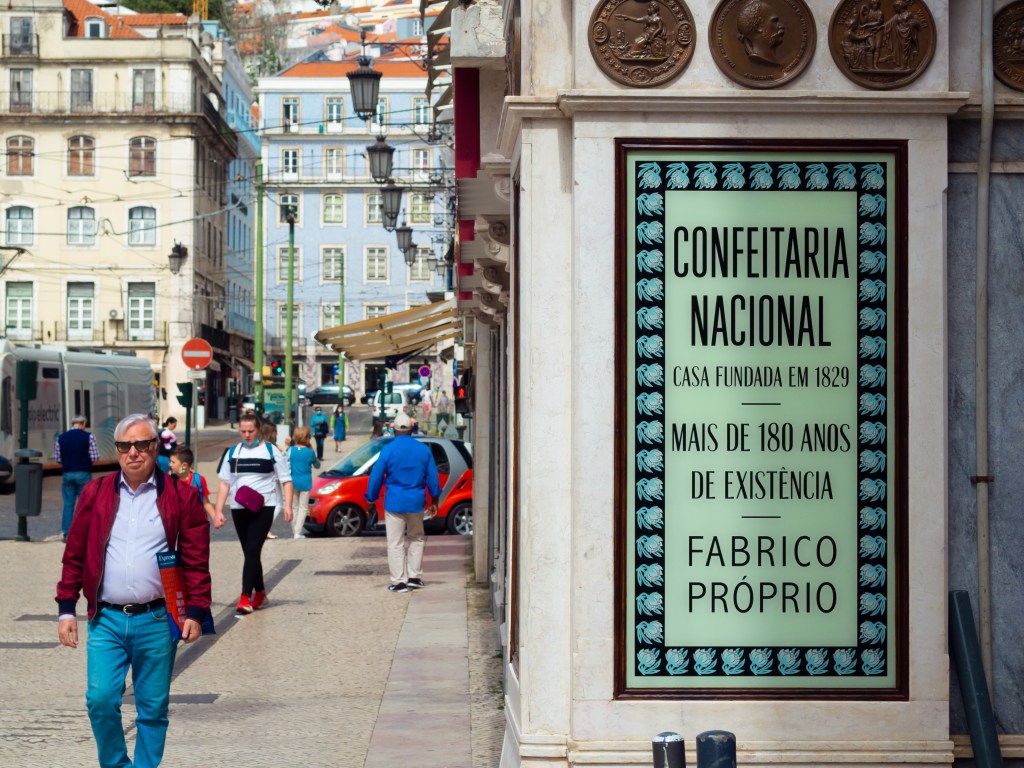
But what is Lisbon exactly? In Lisbon, you can find a mixture, a fusion between the old traditions and the new times. Lisbon is old buildings with foreign supermarkets. Is that smell of coffee in the morning and mojitos during the night. Is the Fado in Alfama and electronic music near the river. I am sure that you will find a place, a spot that will make you feel like home.

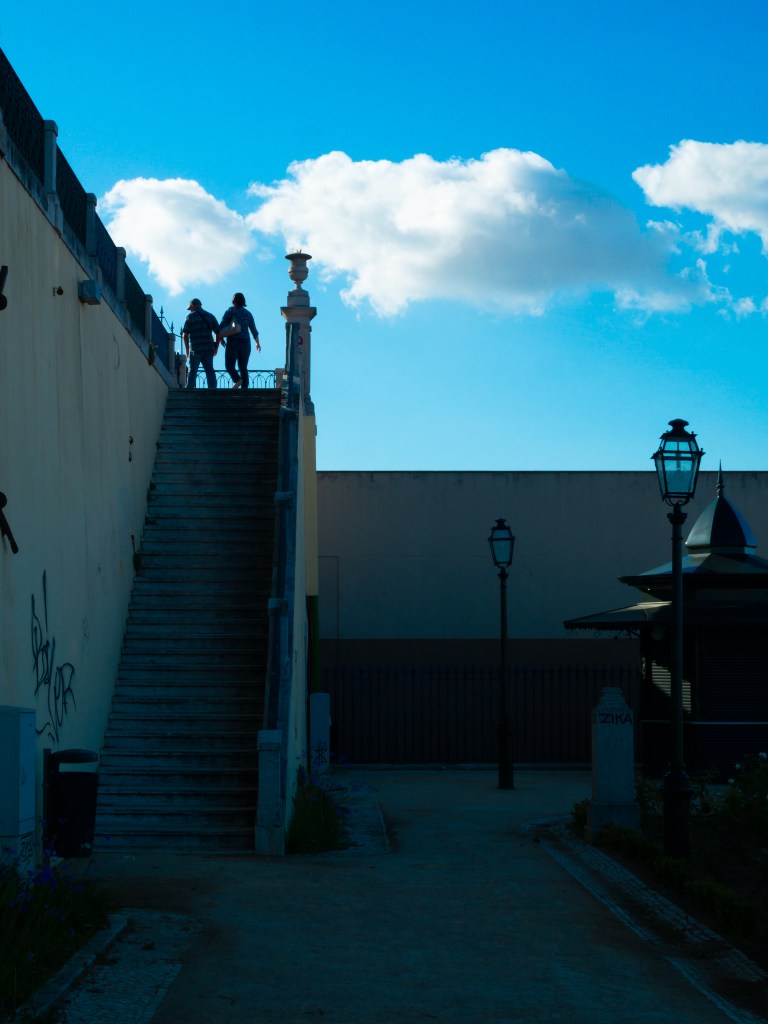
Speaking about the old and the new, as a staging, I like a lot the mechanical stairs in Rua Da Mouraria:
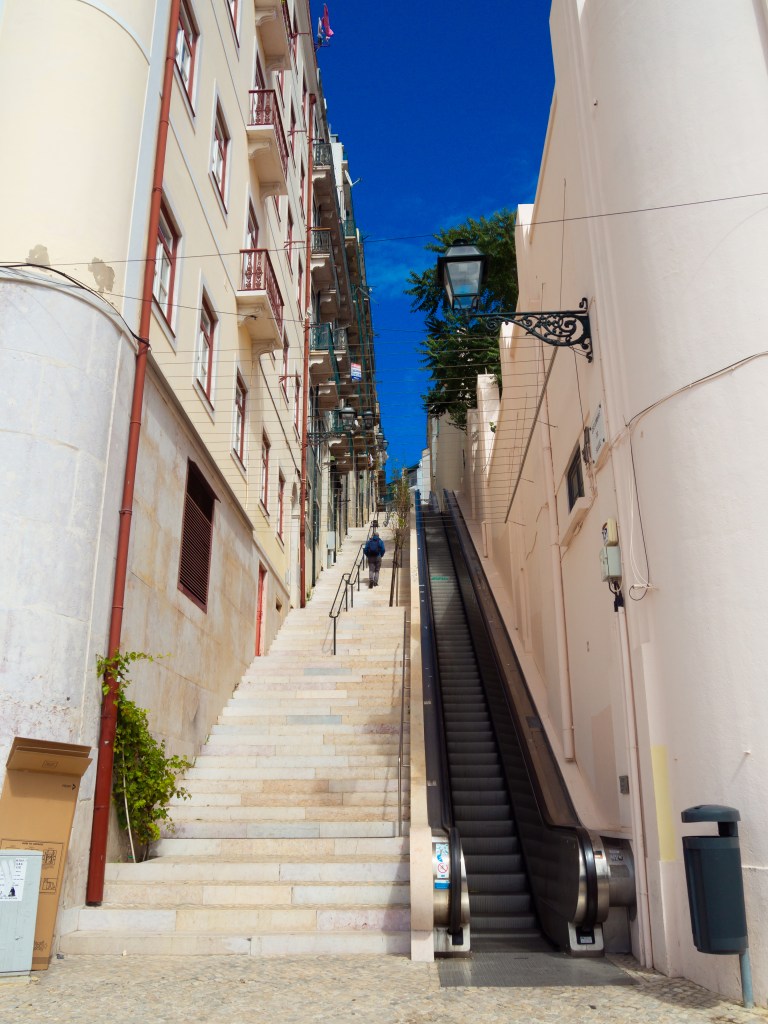
Rua da Mouraria

Is true that you already can find some famous elevators in the city. It helps a lot (not all the people have the willing or the physical condition to climb every day, maybe the temperature don’t help…). Still, you must agree that, in a certain way, is unexpected.
One of the most famous is the electrical “Ascensor da Glória”:
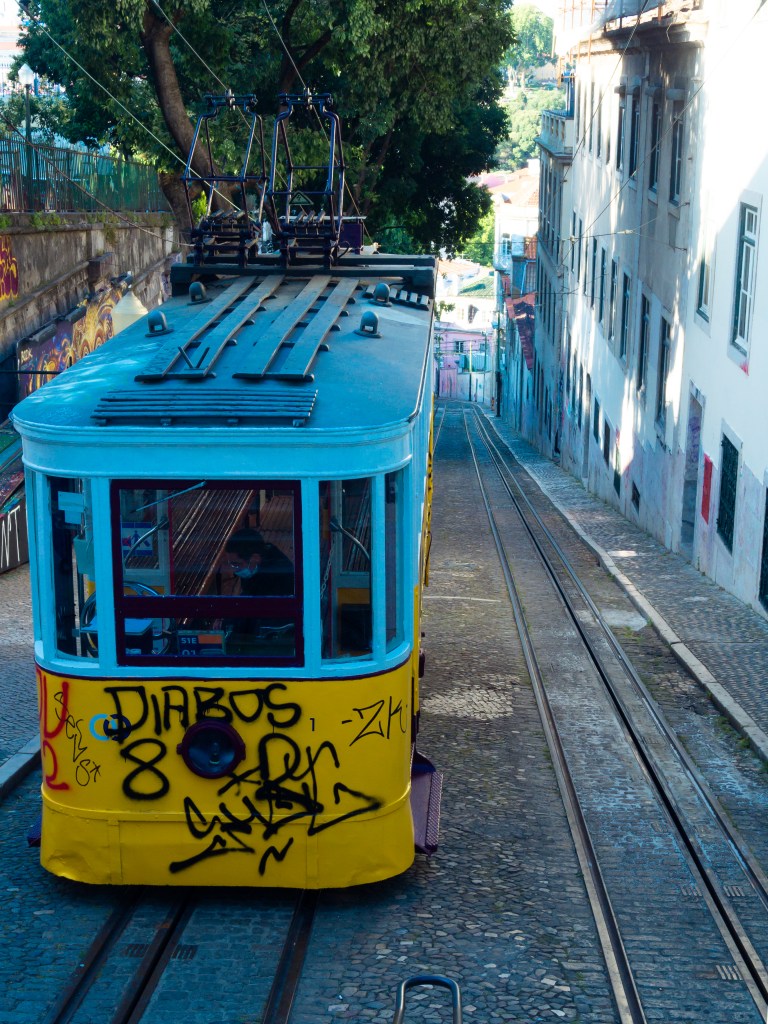
Electric Tram

It connects the square of Restauradores with the Garden of São Pedro de Alcântara in a 275 meters trip. But in this case, a single ride worth 3.5€.
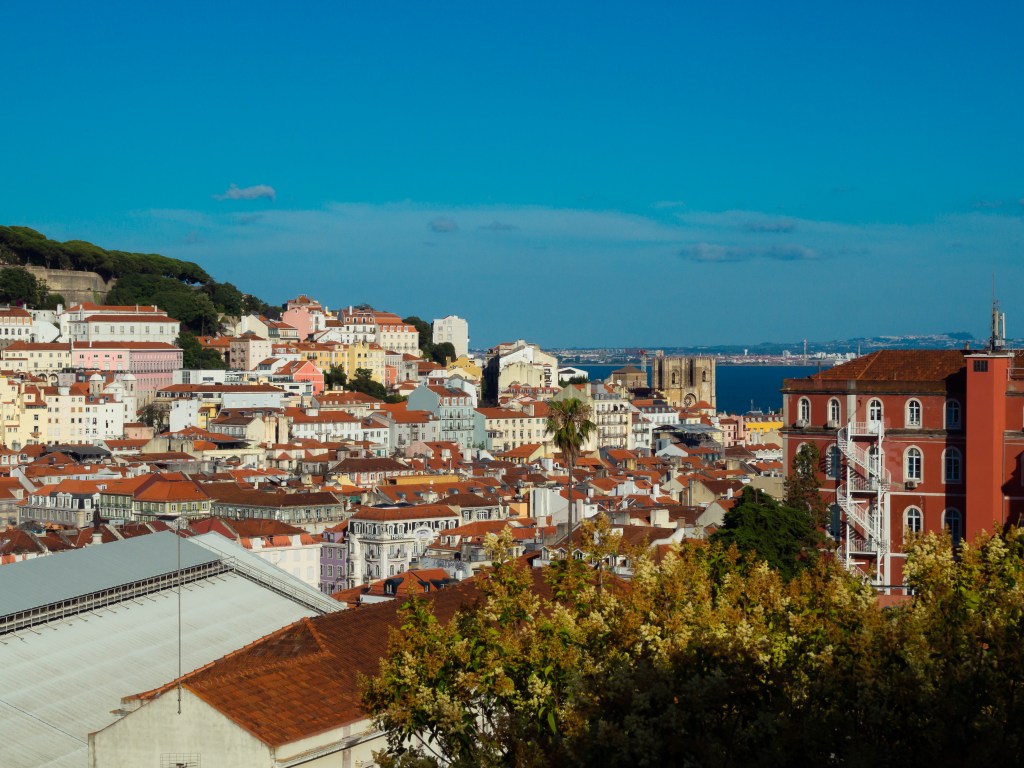
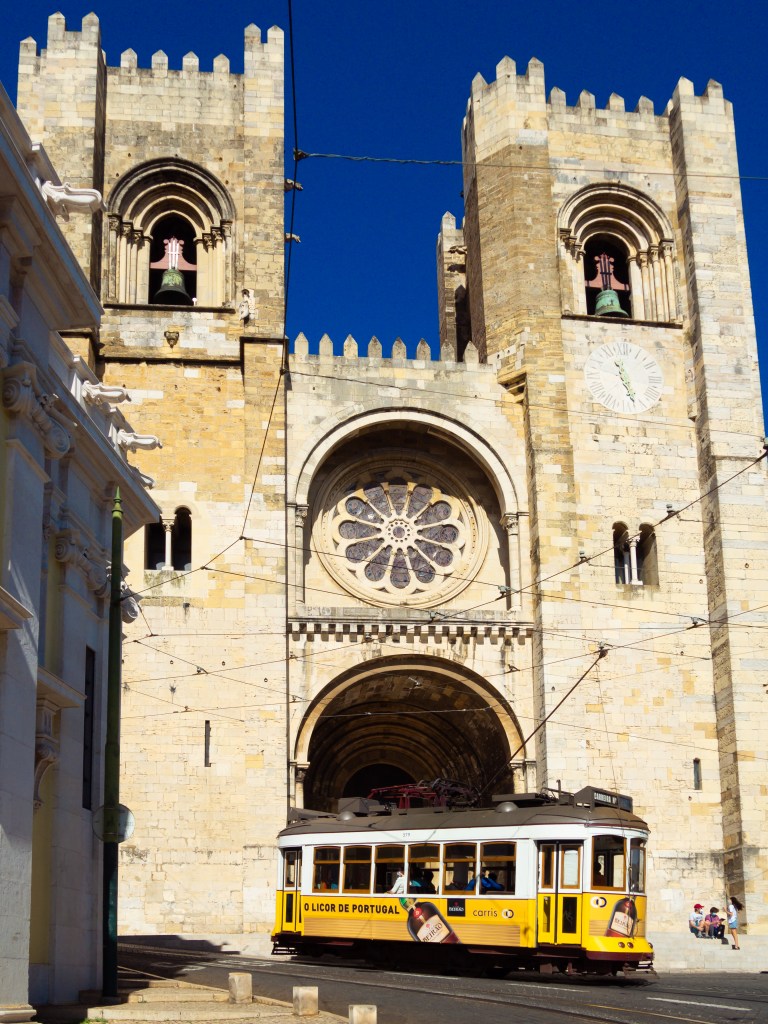
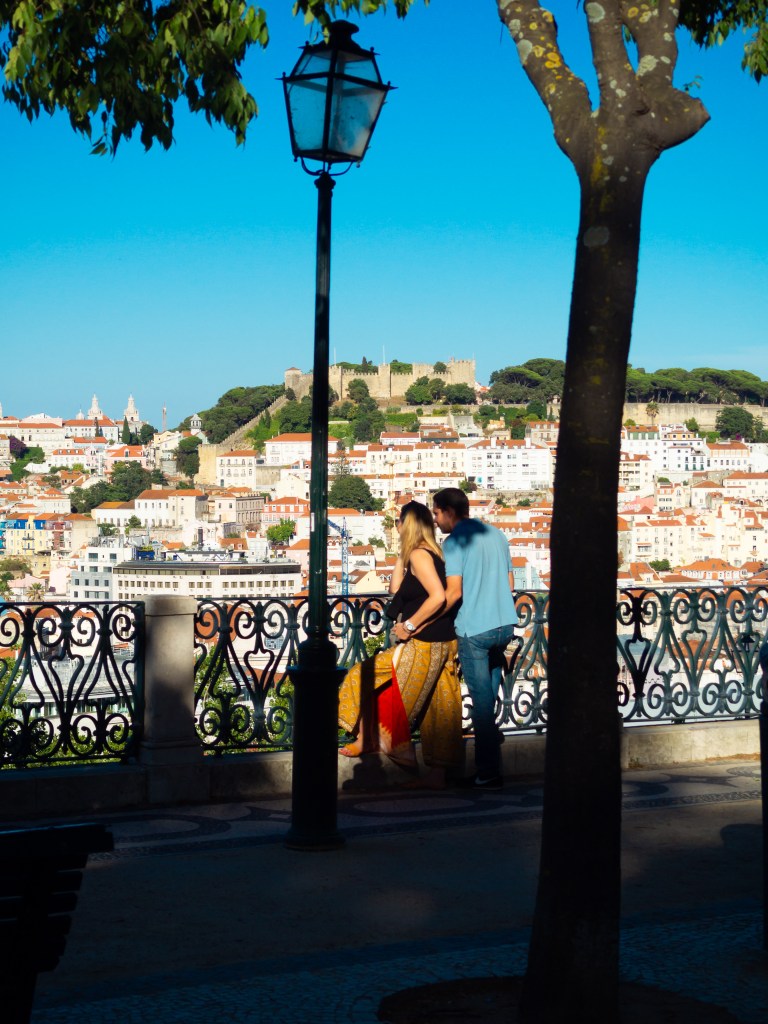
The Garden of São Pedro de Alcântara is an excellent point of the city. Really near the Bairro Alto, you can enjoy the magnificent views of Lisbon and see the Castel or the Cathedral in all its splendour.
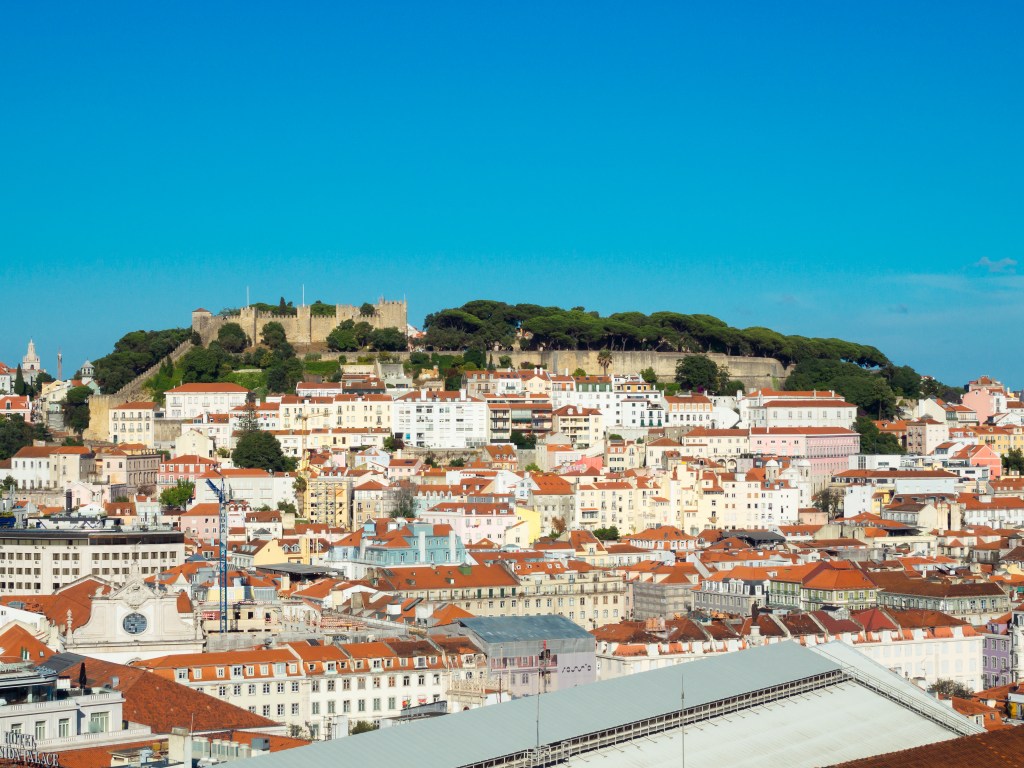
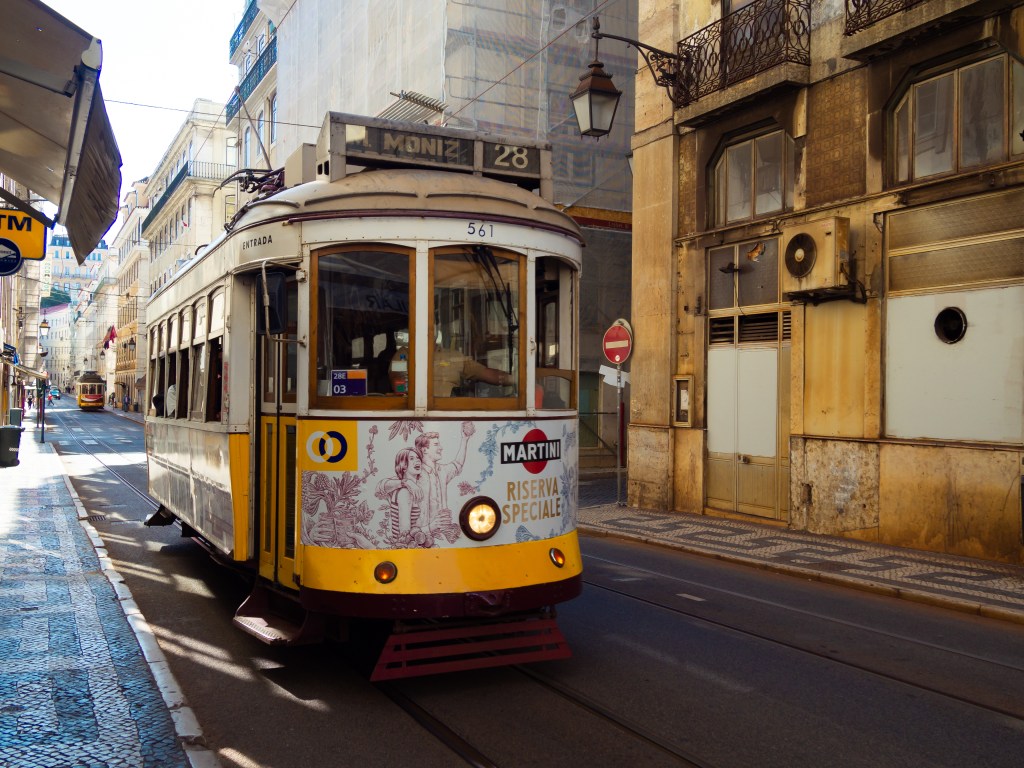
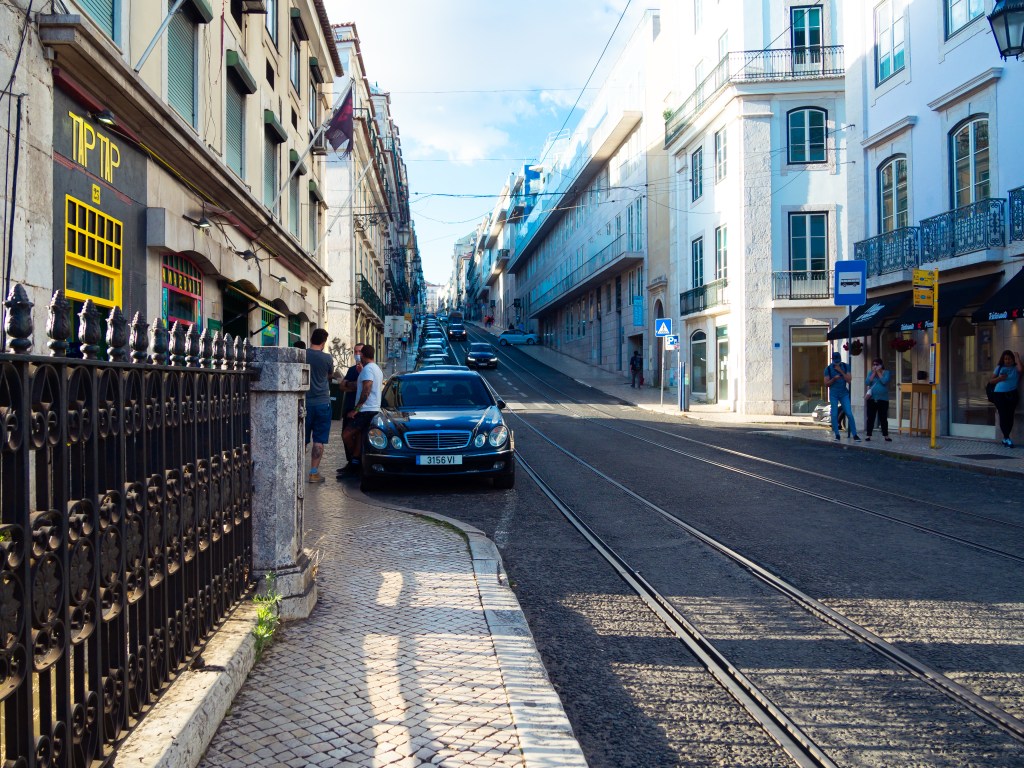
Moving on the city of the “Sete Colinas” (city with seven hills) walking can be a tiring experience. You will end up going up and down a lot. The metro and the bus works well (usually). Still, the most immersive experience will be the use of electric trams. They are all around, and if you find one that is not extremely full, it will give you privilege views of the city, but you need to take care of your things. It is one of the pickpocket’s favourite spots.

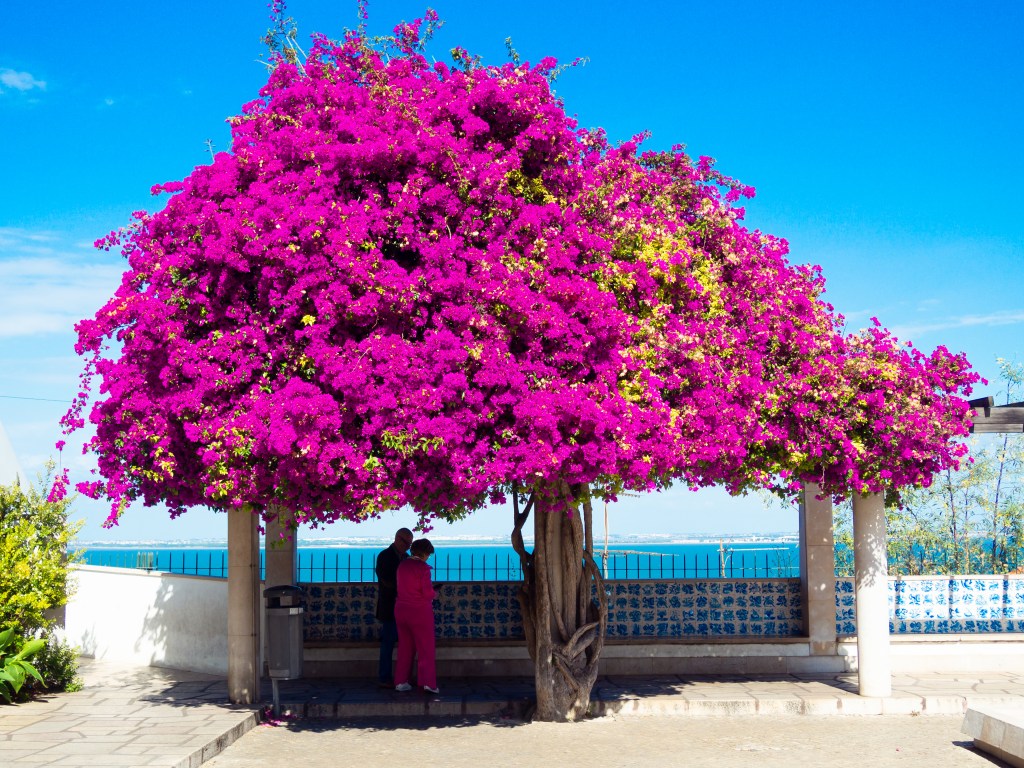
Another beautiful spot with magnificent views is the “Miradouro da Graça”. Here you can find a place to relax and drink some water, necessary to rehydration after all the climbing!

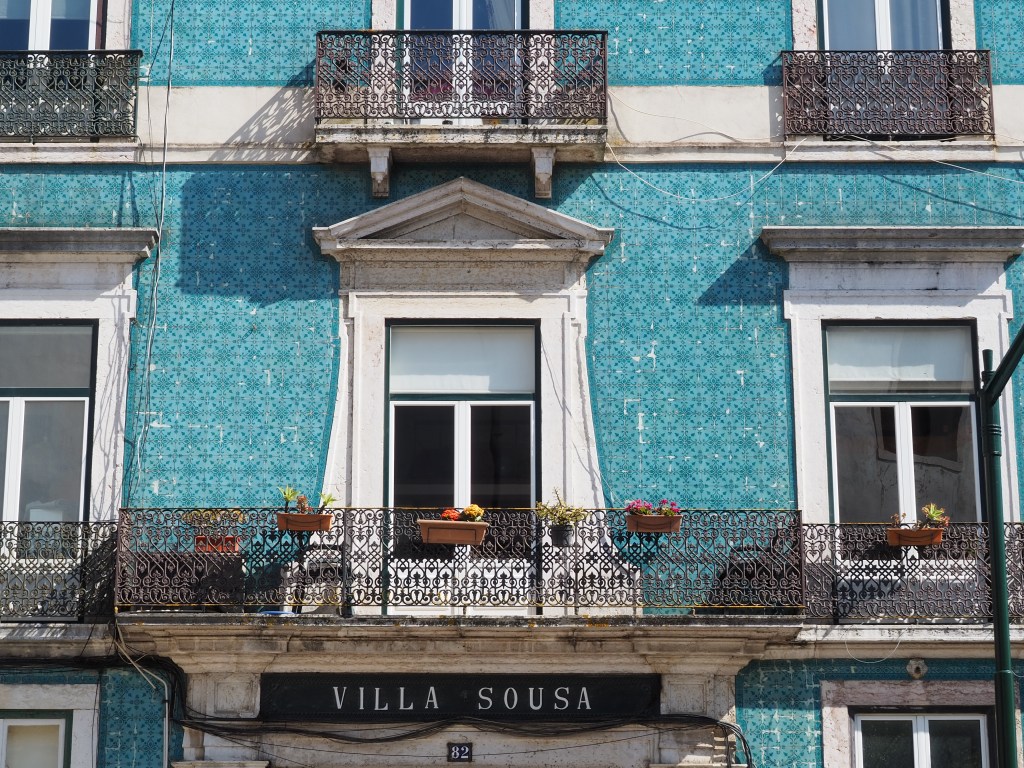
During your visit, you will also notice all the astonishing “azulejos” (tiles) that decorate the city. They are everywhere, in different patterns and colours.
They are decorating a lot of buildings in the city, giving the town a particular aspect.

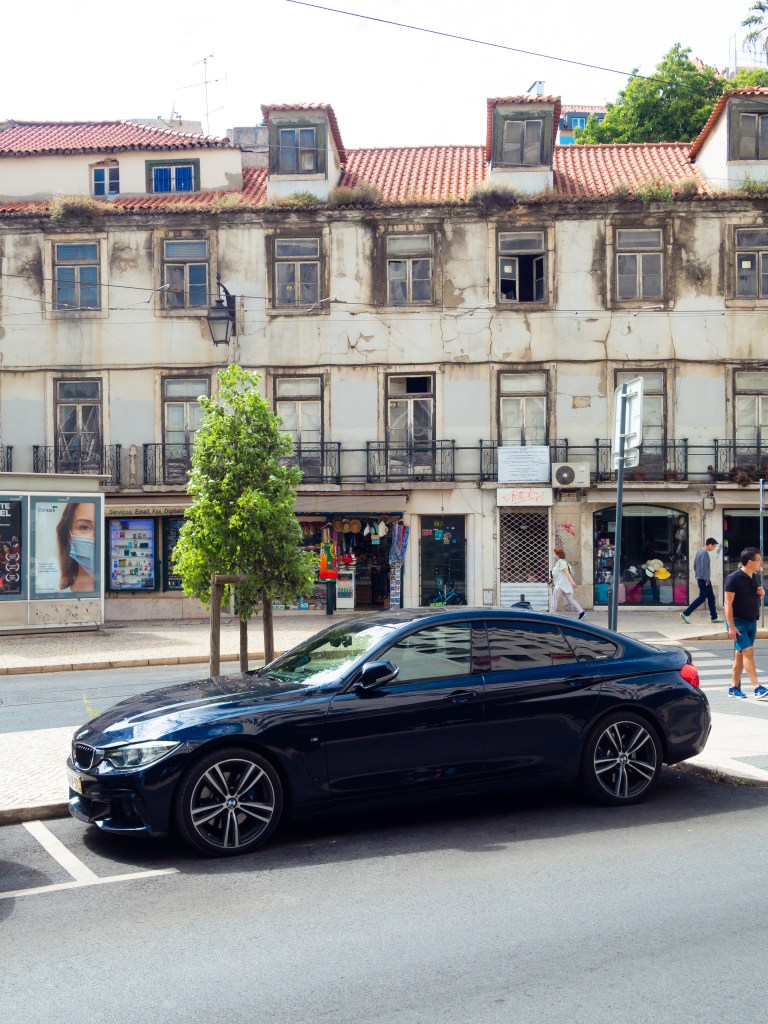
The problem is when they are not well kept. Well, that’s not the only problem. Many of the tiles are uprooted to sell to tourists as souvenirs. It is easy to spot them in the “Feira da Ladra” (https://www.visitlisboa.com/en/events/feira-da-ladra-flea-market). Still, I would suggest you avoid the temptation and pick another reminder.

Lisbon, in definitive, is that. The old and the new. And it is patent when you start walking around, mainly, in some “buildings”. Could it be better kept? Sure. Would it be the same?
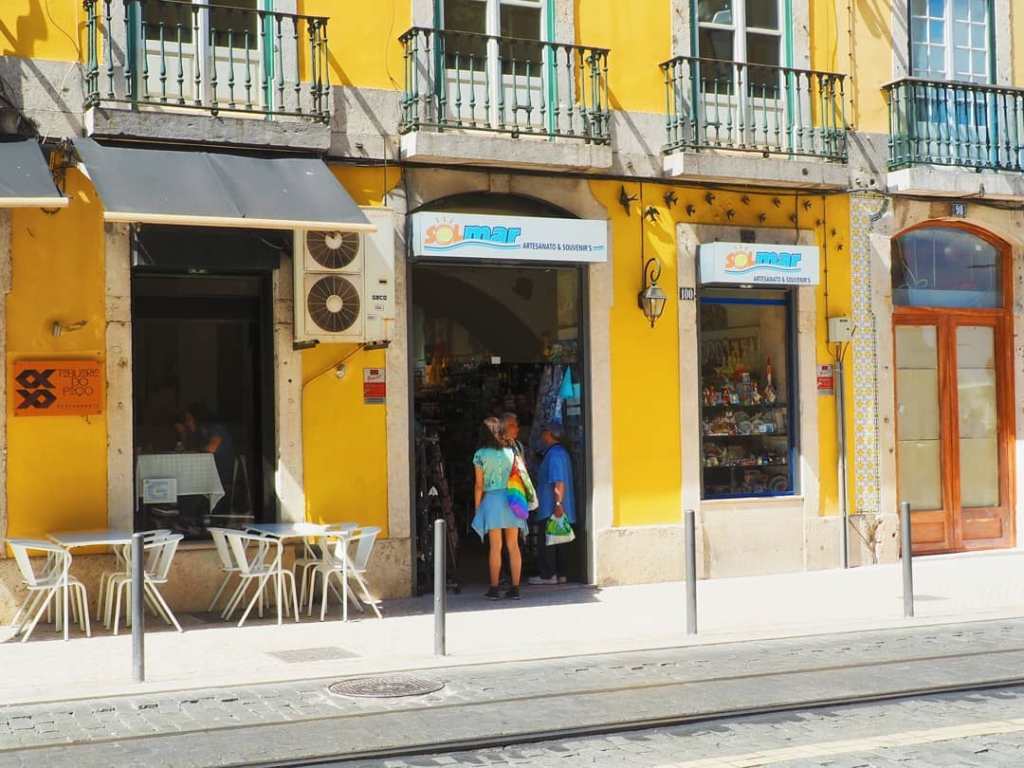
The most important part here, no matter if it is winter, spring, summer or autumn, is enjoying a magical city that never defrauds.
Lisbon

Costa de Caparica

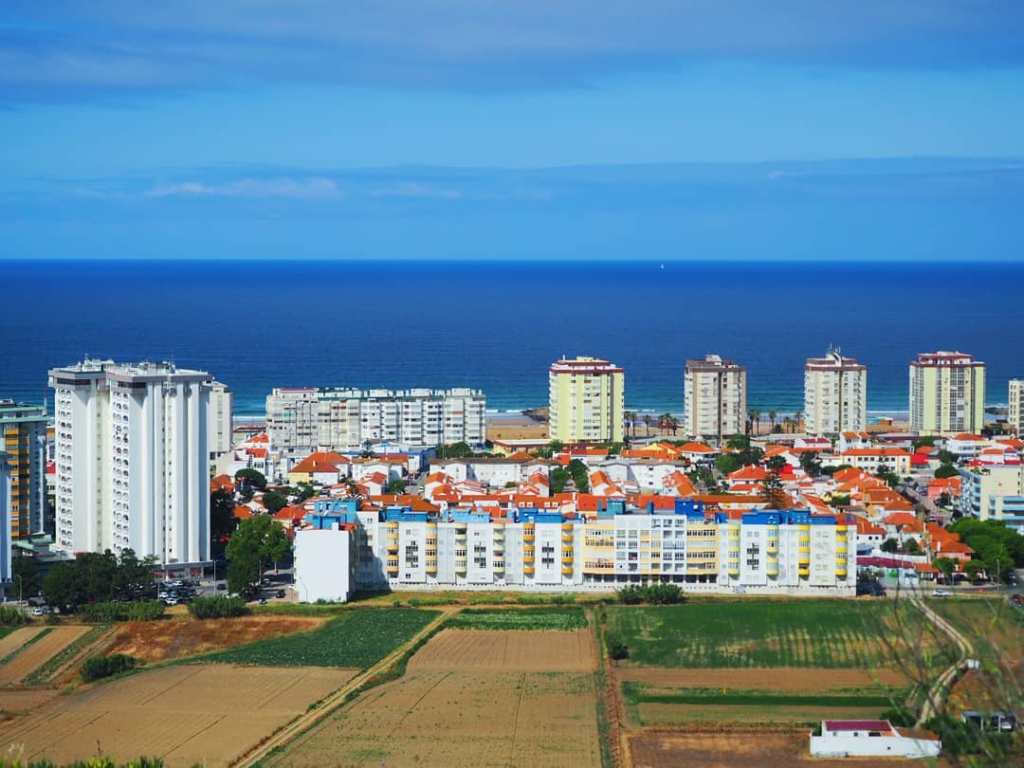
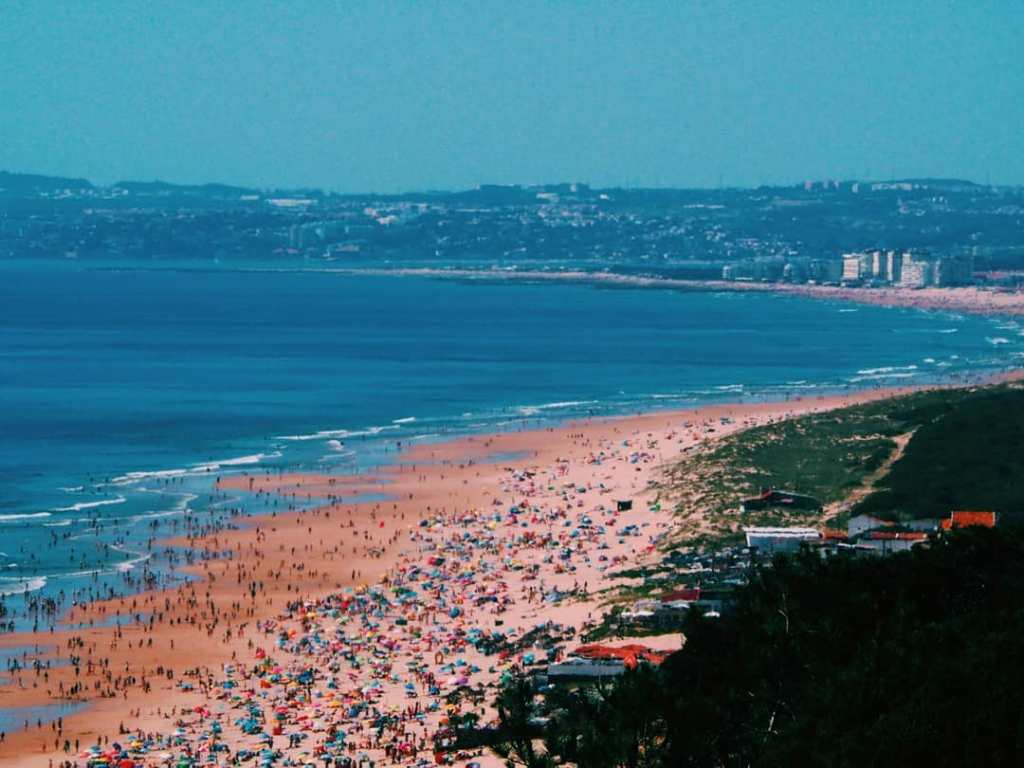
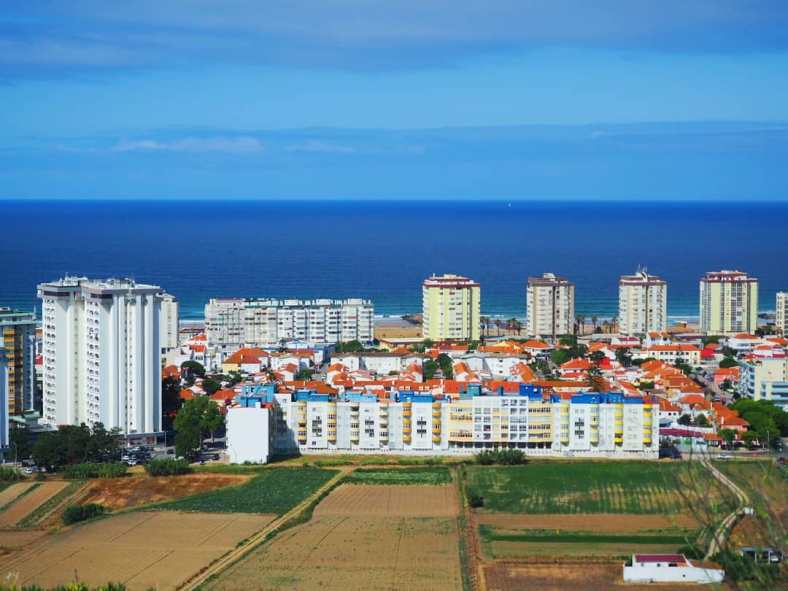
Costa de Caparica is a small city near the capital of Portugal, Lisbon, on the occidental coast of the Peninsula of Setúbal. Costa de Caparica has more than 25 km of a continues beach and is one of the largest continueous beaches in Portugal. (Google maps link: shorturl.at/jEQ12) (Wikipedia: https://en.wikipedia.org/wiki/Costa_de_Caparica)

Costa de Caparica from Mirador dos Capuchos

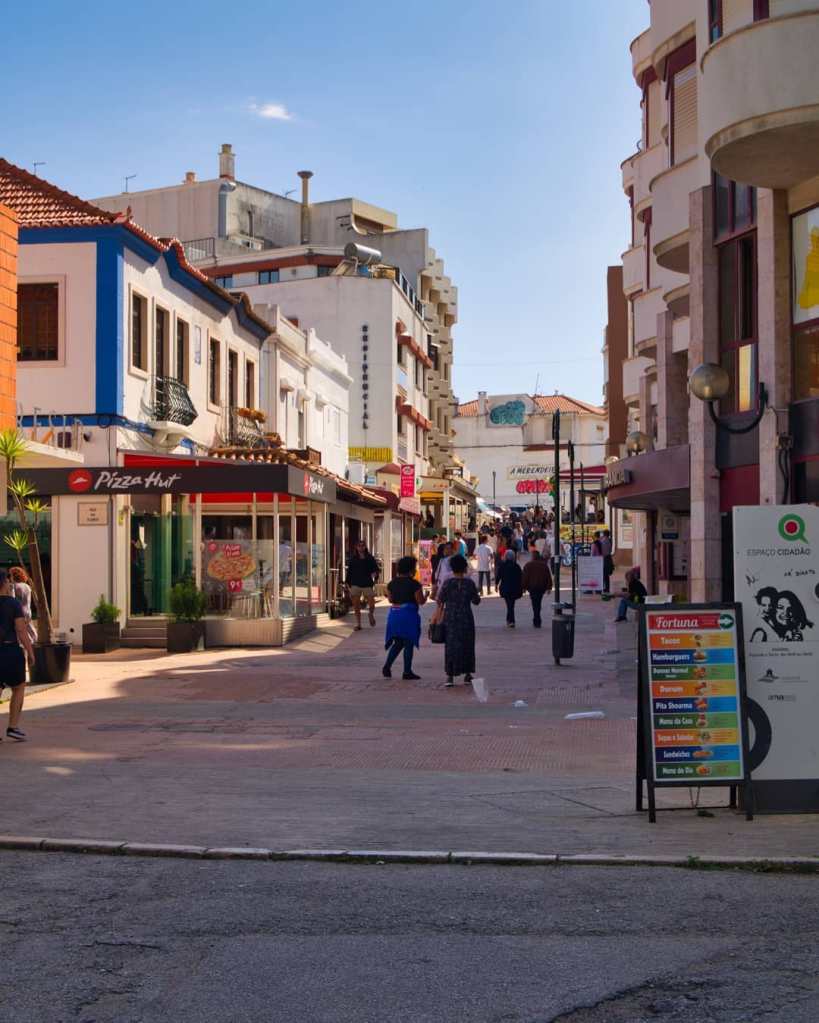
There is not a big city centre, and you can find most of the shops in a small street called “Rua dos Pescadores”.

Rua dos Pescadores

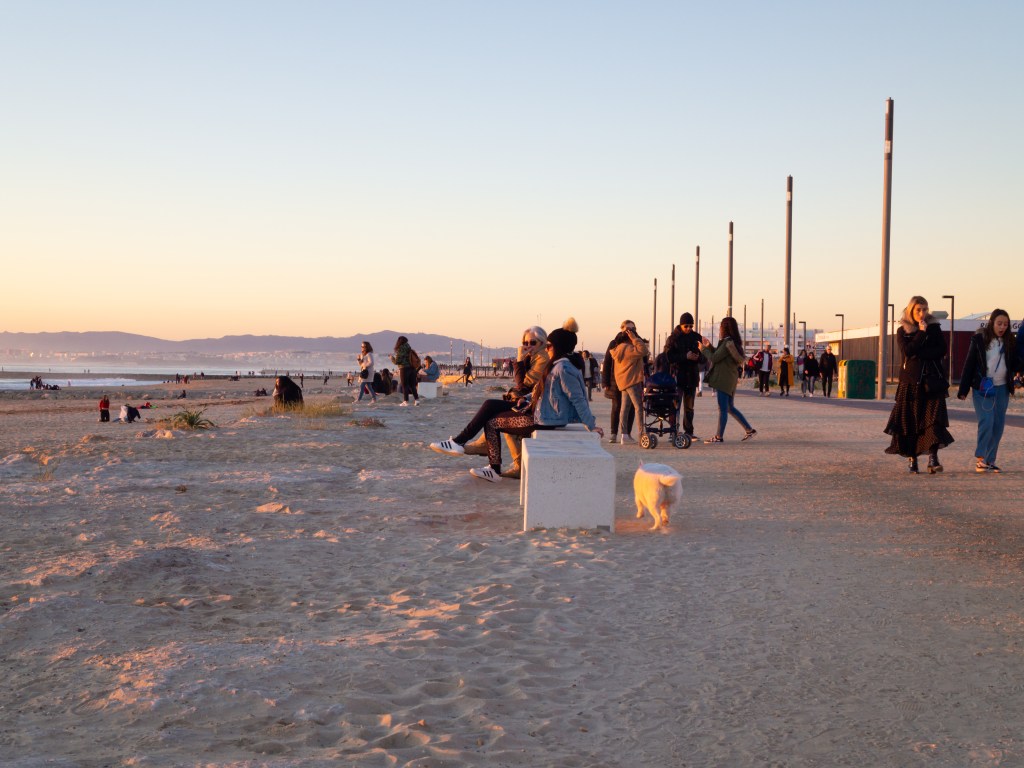
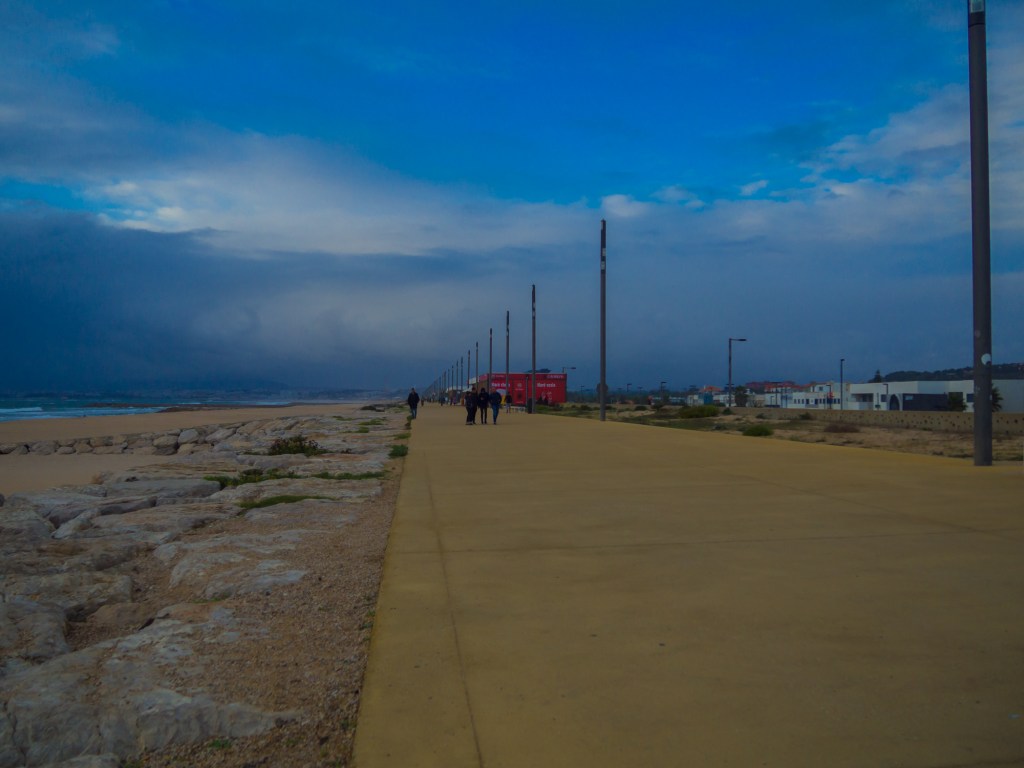
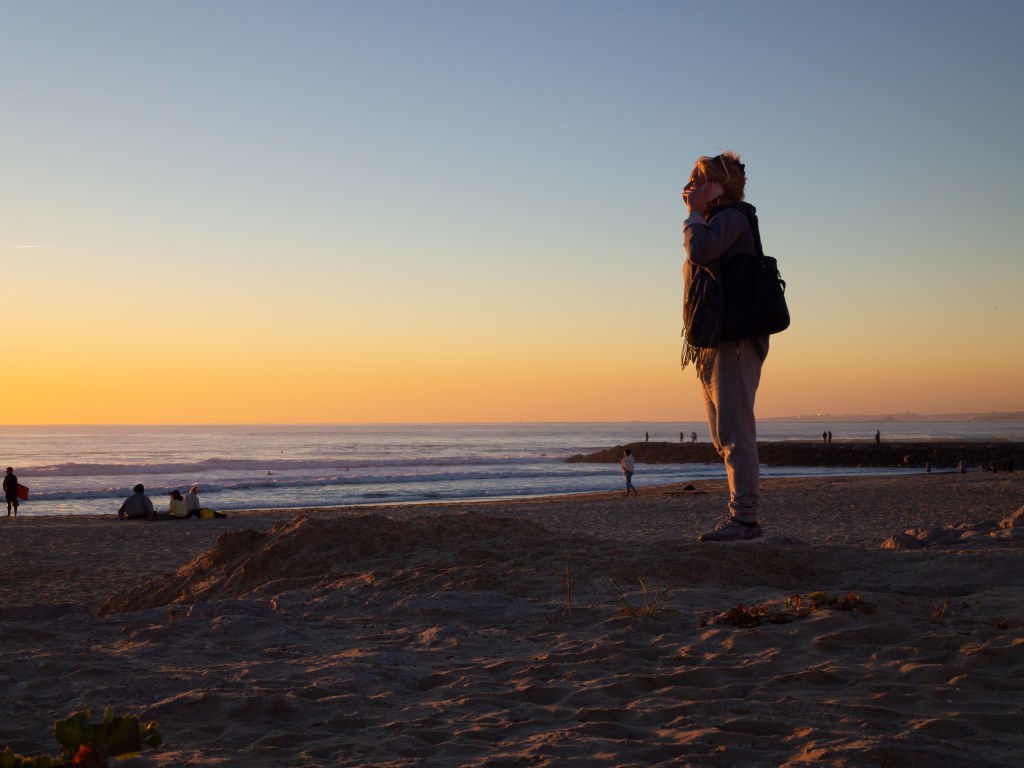
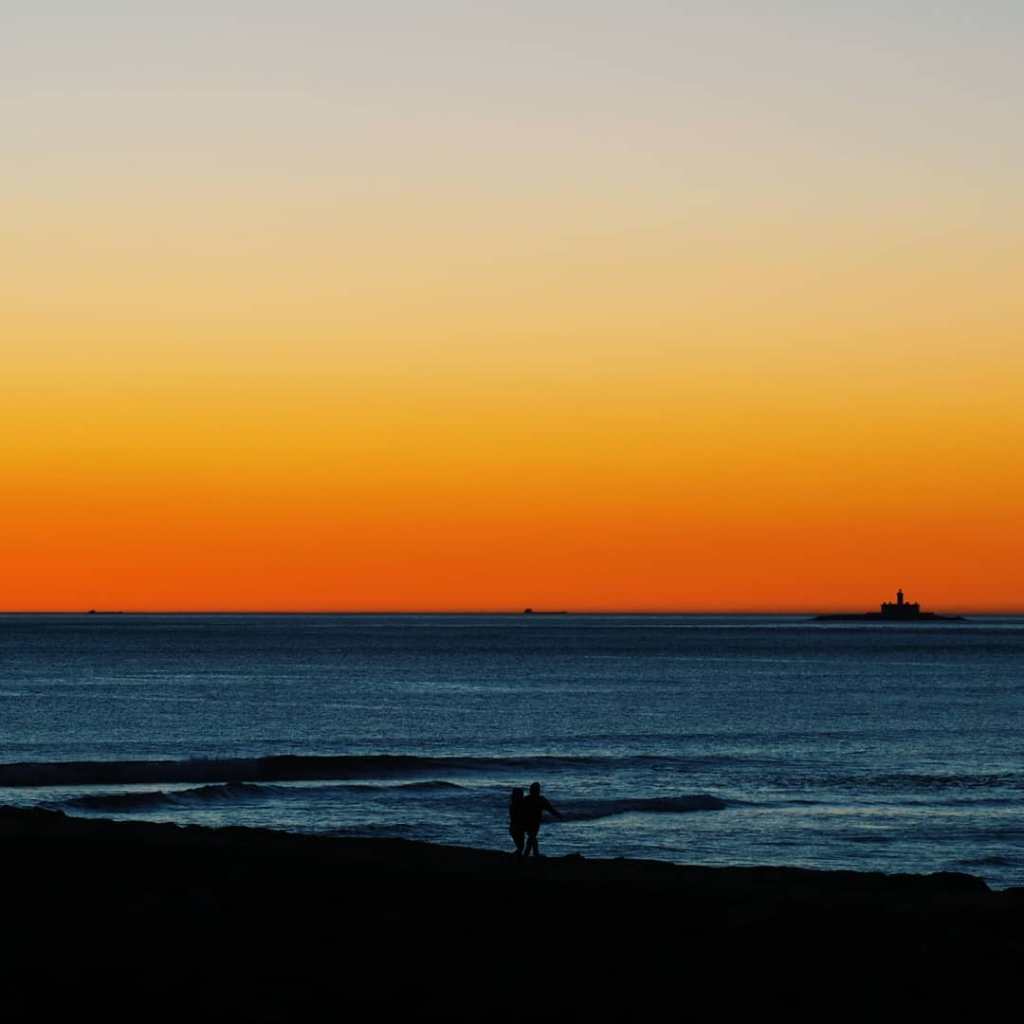
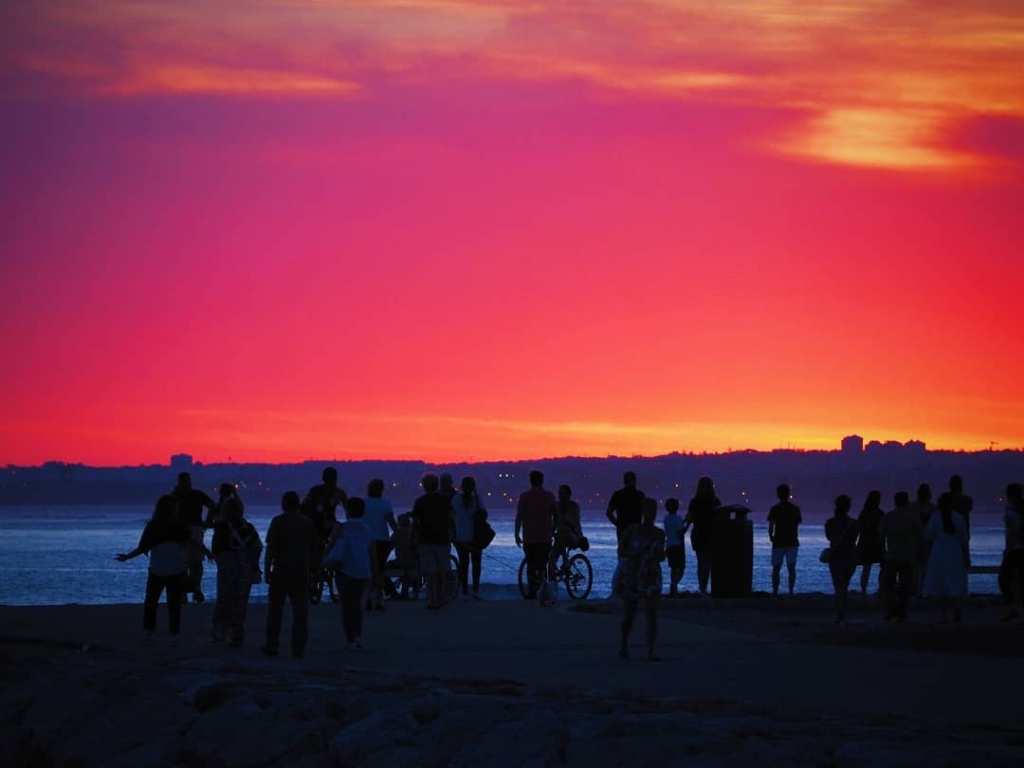
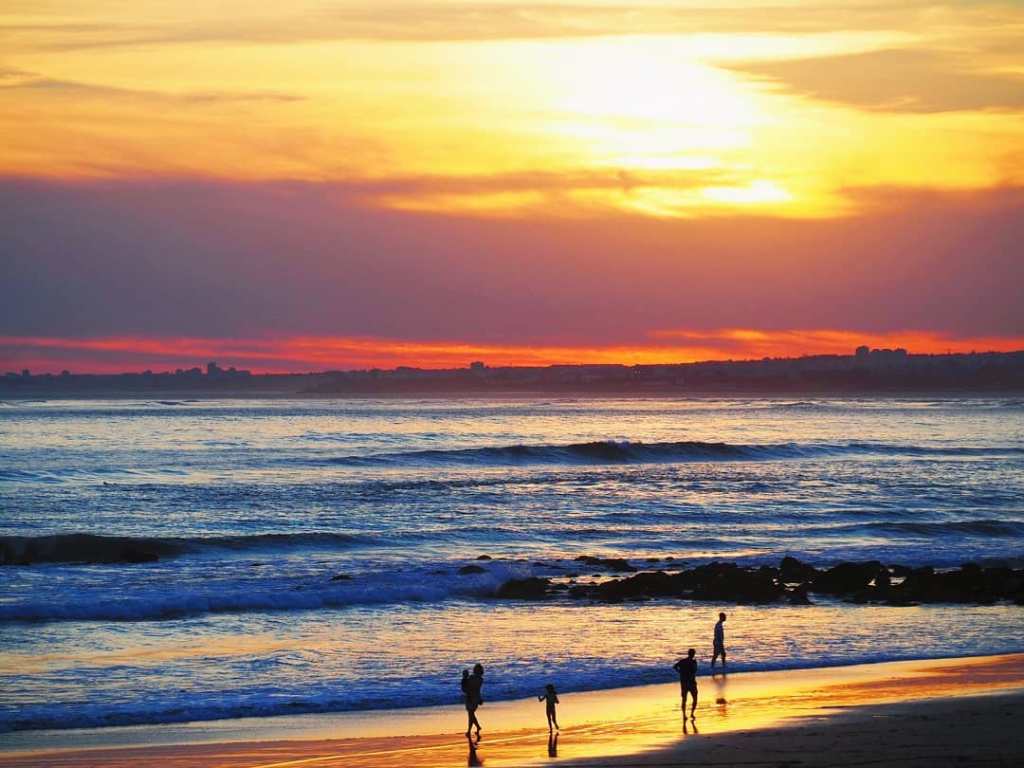
The most beautyful part, in my opinion, is the seafront (and the beach, of course), at any time of the year:

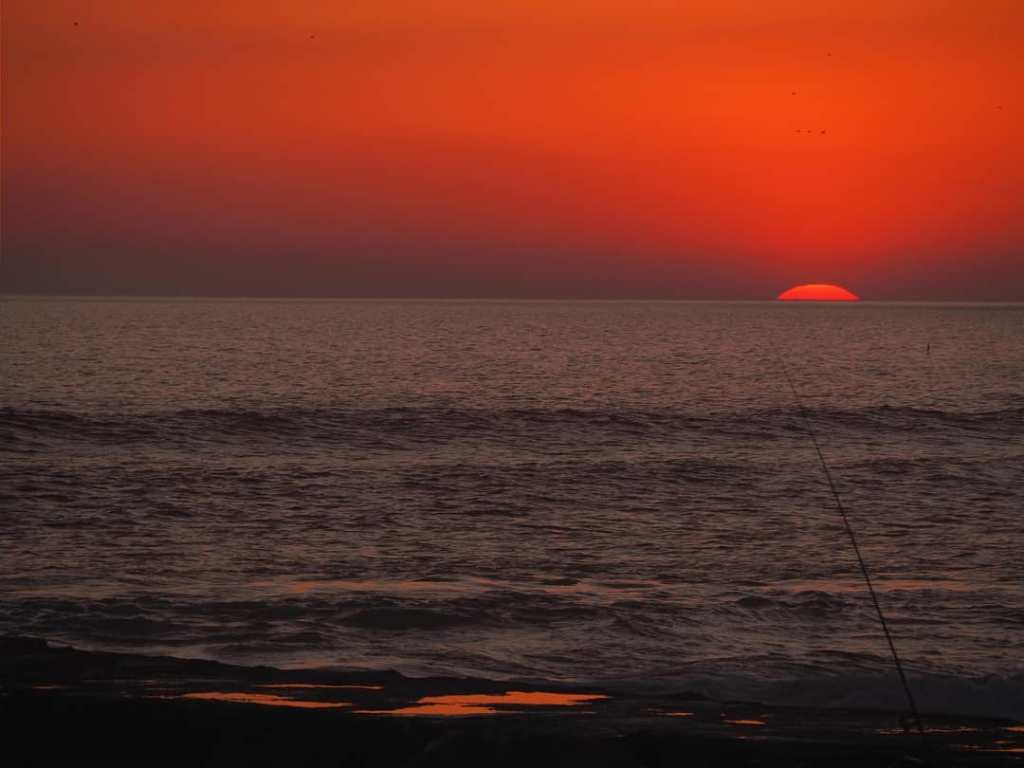
With a length of more or less two kilometres, is the ideal place to walk, do some running with fresh air, or enjoy the excellent weather watching a magnificent sunset.

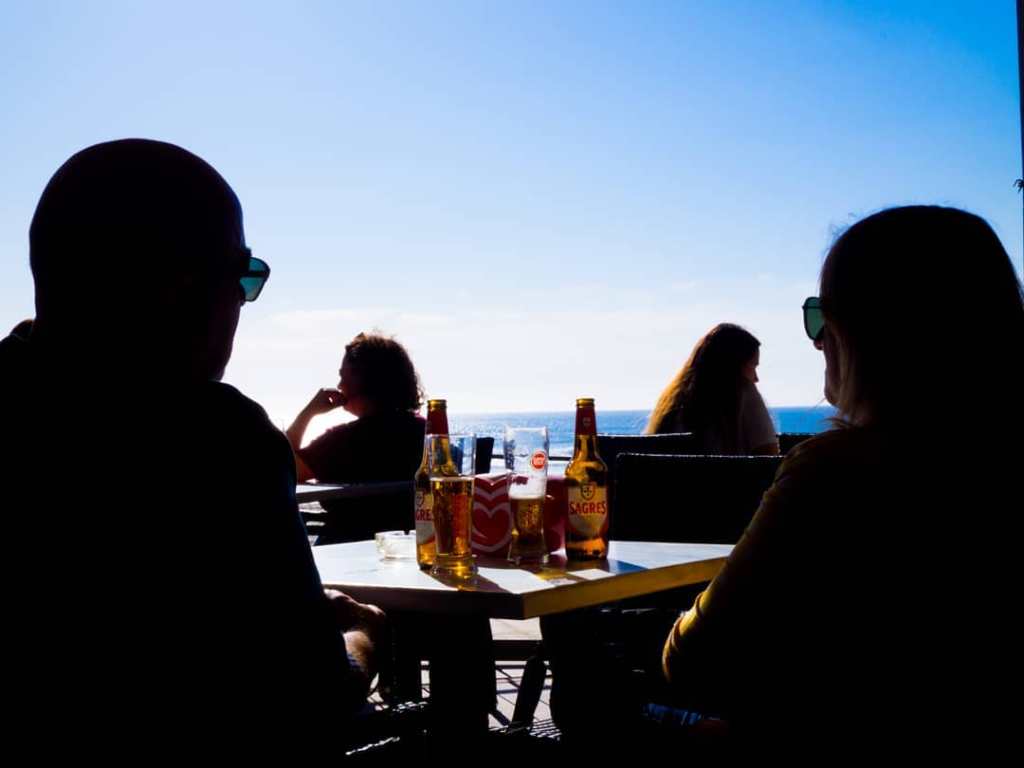
You will find several restaurants and bars in the seafront, where you can enjoy the Portuguese cousin or relax taking a beer with excellent views.

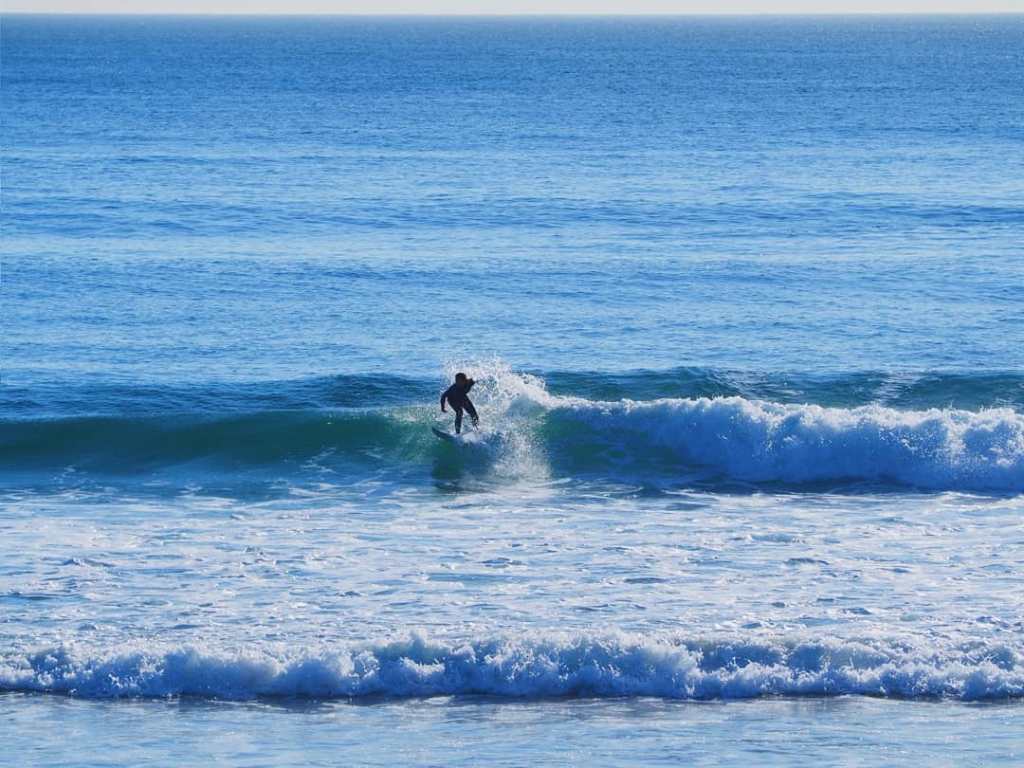
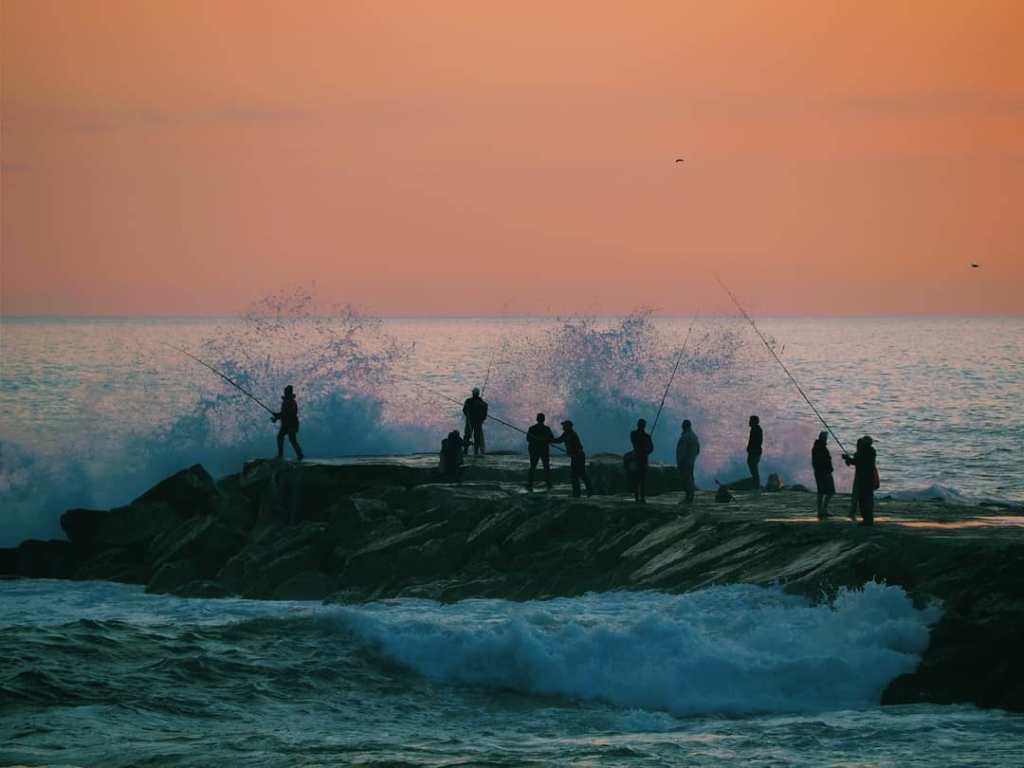
Besides going to take some sun and a bath at the beach (note that is the Atlantic Ocean, where the water will “refresh” you in a hot day), the people enjoy doing other activities like surfing or fishing.

During the summer nights, Costa de Caparica is a vivid city where you always can find a place with good music to enjoy a warm night near the ocean (until 2 AM at least…)

If you want to go to another beach farther away from the centre, my recommendation would be Fonte da Telha. You can reach it by car or by bus. It is a more open beach, also with several good restaurants, which a lot of people like:

Fonte da Telha

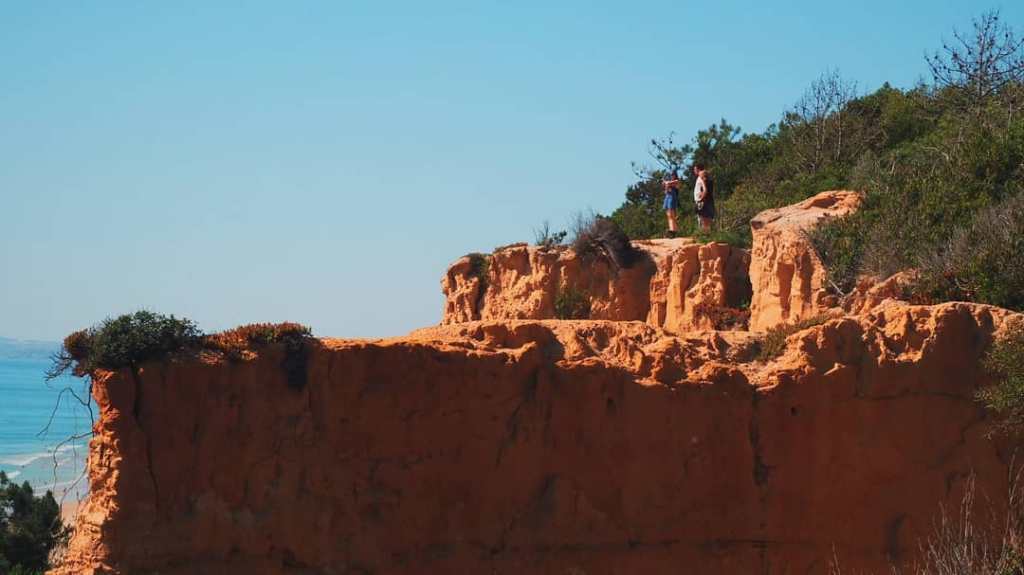
Here you can climb to the “Falésia” (the cliff), to get some beautiful views of the coast-line, and also will allow you to be more in contact with the local nature.

In definitive, if you enjoy the beach, good food and some nature, Costa de Caparica seems to be a fantastic destination for some holidays.

Costa de Caparica

Also, without forgetting that just in 15 minutes (nowadays, less than 20€ in some popular ride service hailing) you will be in Lisbon centre, but that’s a story for another day.

Ponte 25 de Abril

COVID-19 in Portugal

Like many other countries in the world, Portugal is dealing with the new virus, SARS-CoV-2 (severe acute respiratory syndrome coronavirus 2), that cause the coronavirus disease COVID-19. The Portuguese government decided to implement the confinement, with the state of emergency starting the 18th of March. From the 2nd of May, they implemented the state of calamity.

You can find useful the information in the following links:

State of Emergency: https://www.visitportugal.com/en/node/420733

State of Calamity: https://www.visitportugal.com/en/node/421175

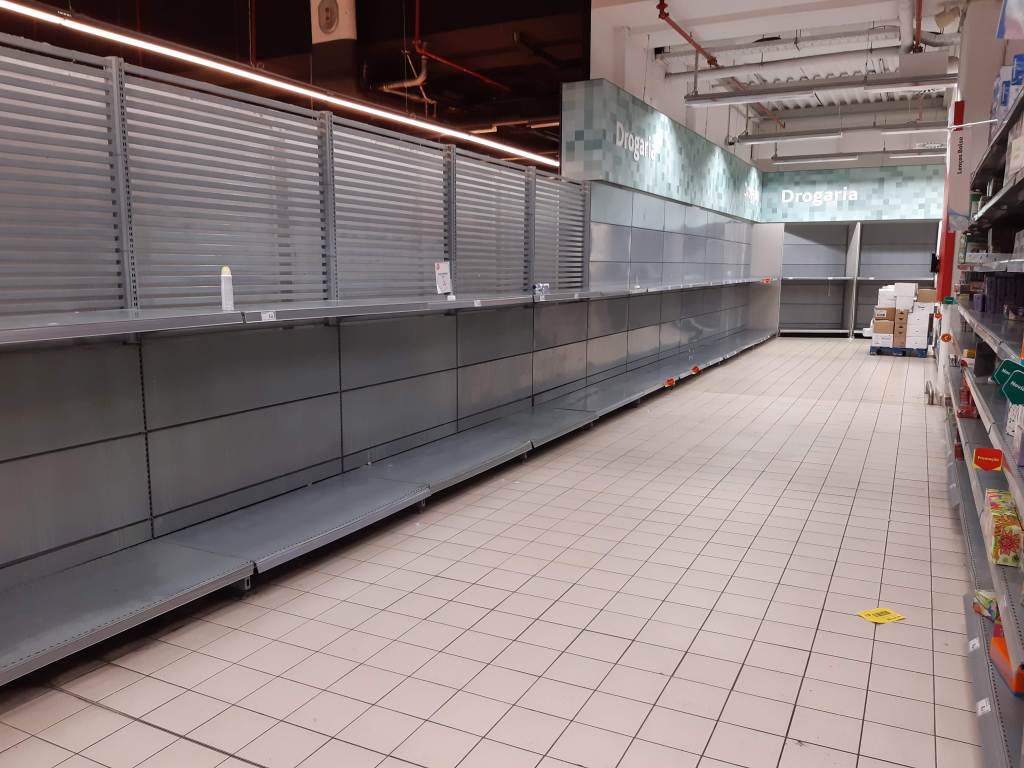
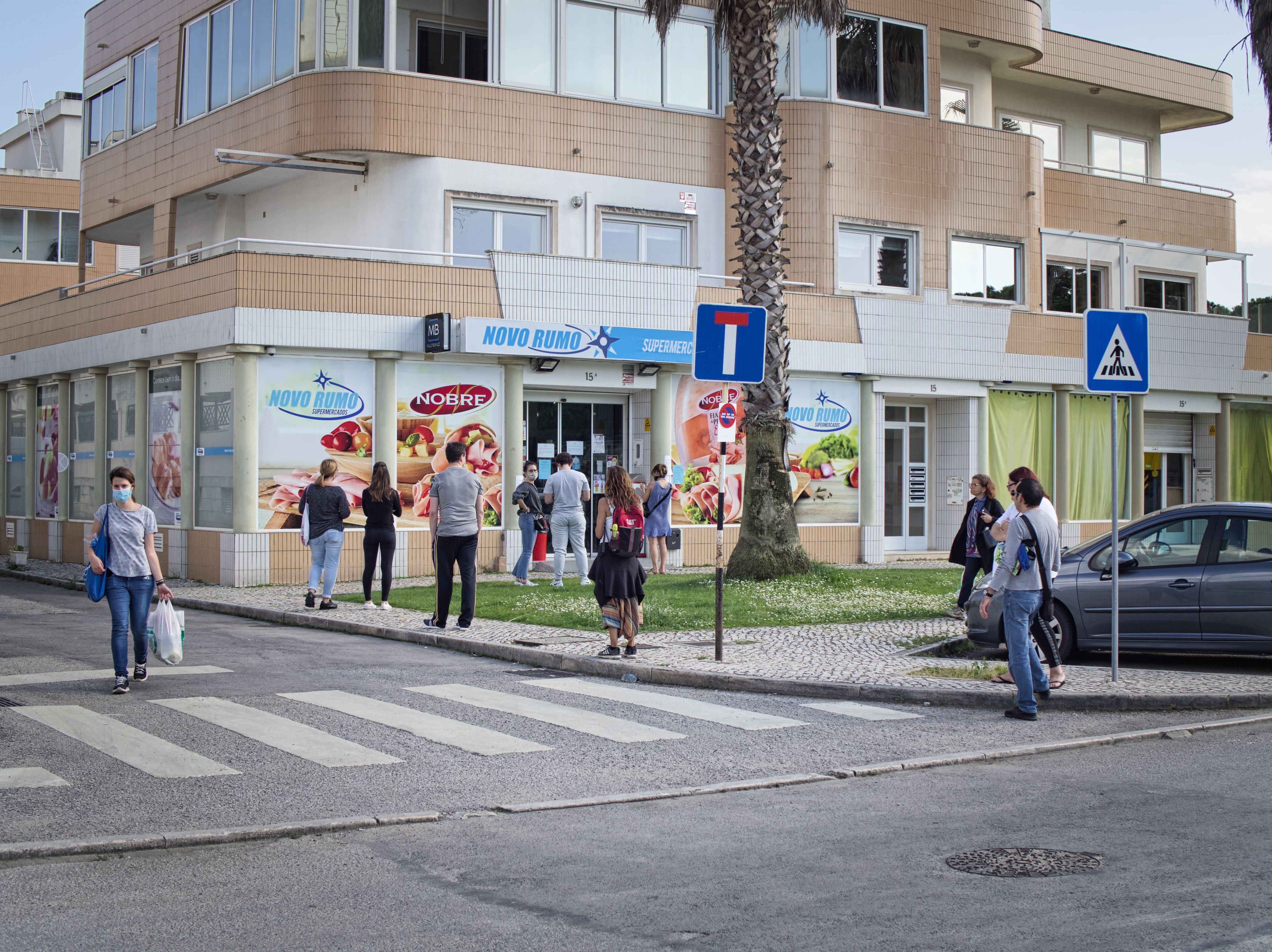
The previous days to the start of the state of emergency, the ques in the supermarkets were quite long, and some products came to an end. Soaps, alcohol or even meat was complicated to find after the 13th of March. Still, as in many other places, the most precious item was the toilet paper:

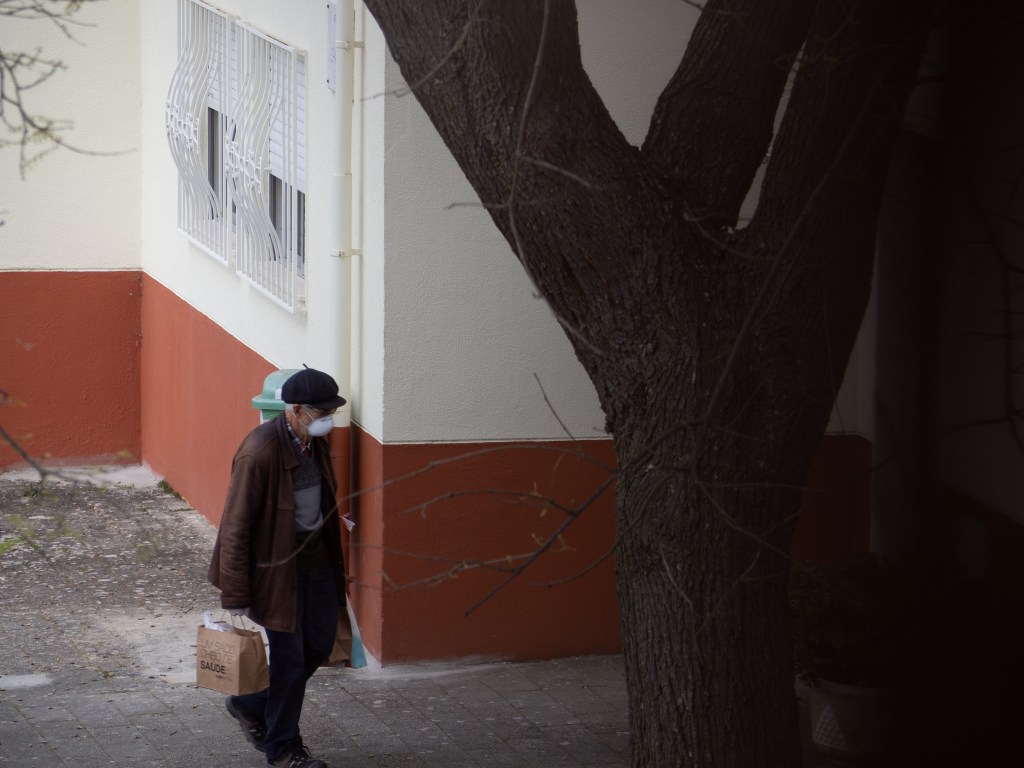
During the State of Emergency was allowed to go outside to take short walks or to running alone (around the neighbourhood) in a period that doesn’t exceed one hour per day. Most of the people were following well with the rules. They were going out with a mask, even if at the beginning the government was stating that was not necessary.

The university (FCT-UNL) was closed since the 16th of March and most of the people were doing the so-called “home-working”.
We started to work at the laboratories after the 4th of May. The university implemented some rules, as 40% of capacity in the laboratories, only one person per elevator, use mandatory of mask inside the university or the existence of hygiene equipment at the entrances of the rooms. Still, the university is quite empty, and the people that can avoid the presence there is doing it.

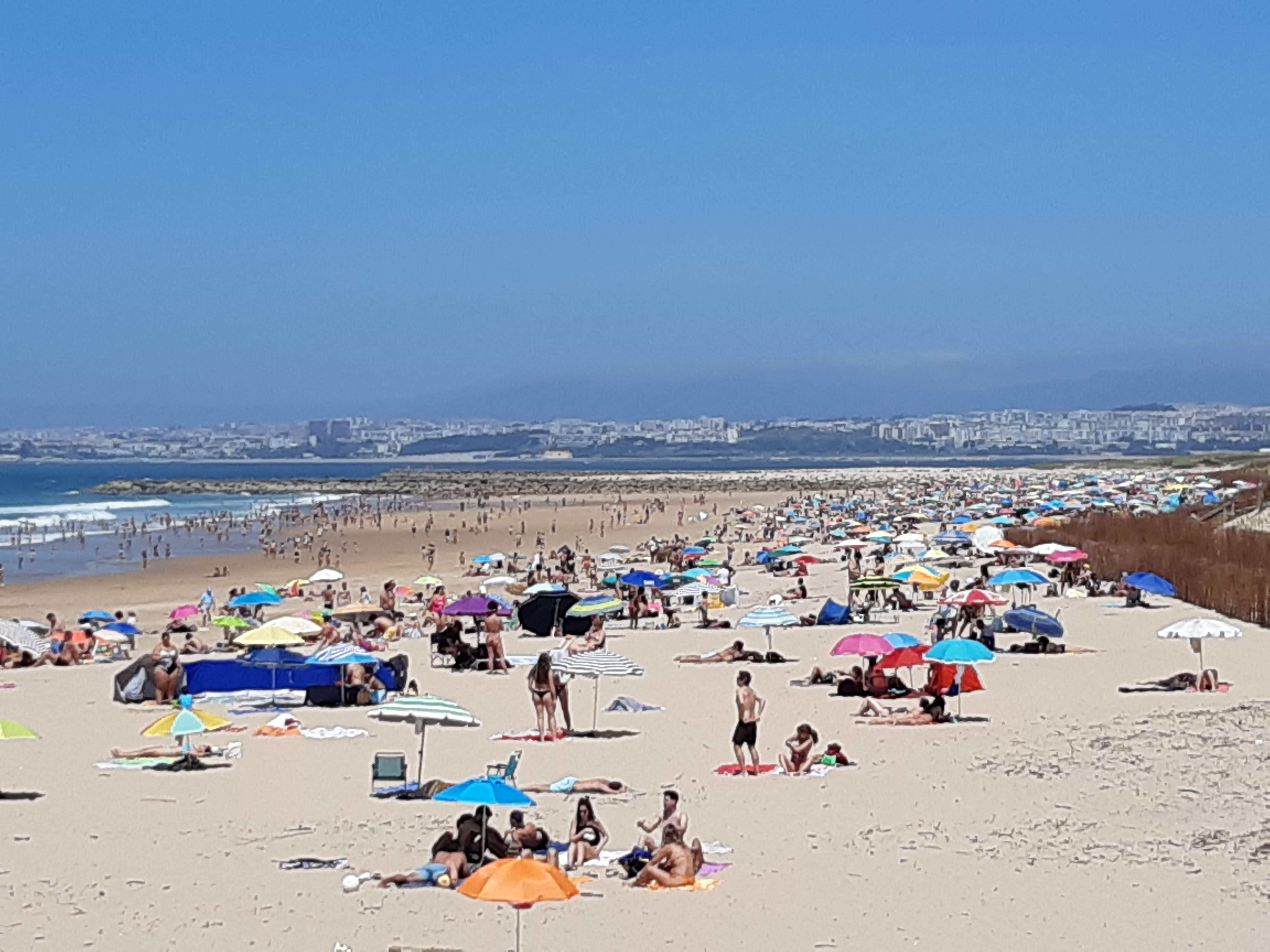
Once started the calamity state, the use of the mask is mandatory in most of the places. If you want to enter a supermarket, you need to wear it. Some mobility restrictions were eliminated but remained the suggestion of the home confinement. If you take a walk today outside, you will find several people walking, taking some sun at the beach or drinking something in the bars.


Even if I think that we are in the good direction, let’s see the advance of the situation in the next weeks, and hope that the people do not forget the virus before it has gone (or is more controlled).