Artificial Intelligence (AI)

Artificial intelligence may seem like one of those things that no one asked for, but that everyone uses. With a myriad of applications, it can be helpful in many topics. Personally, I am eager to see what it is capable of in the field of video games. It must be interesting to have “real” conversations with NPCs that can make your experience more immersive. Another area where it can be really helpful is in planning. Have you ever tried to plan a trip, searching through several pages to find the best flight combinations, accommodations, and public transportation options? It would be great to have a tool that can provide excellent suggestions in just a few minutes instead of spending hours looking for them. The way artificial intelligence interprets things is also interesting. It will continue to improve, and sometimes it may seem daunting, but the ability to merge thousands of ideas to create or develop a new one in less than a minute is quite remarkable to witness.

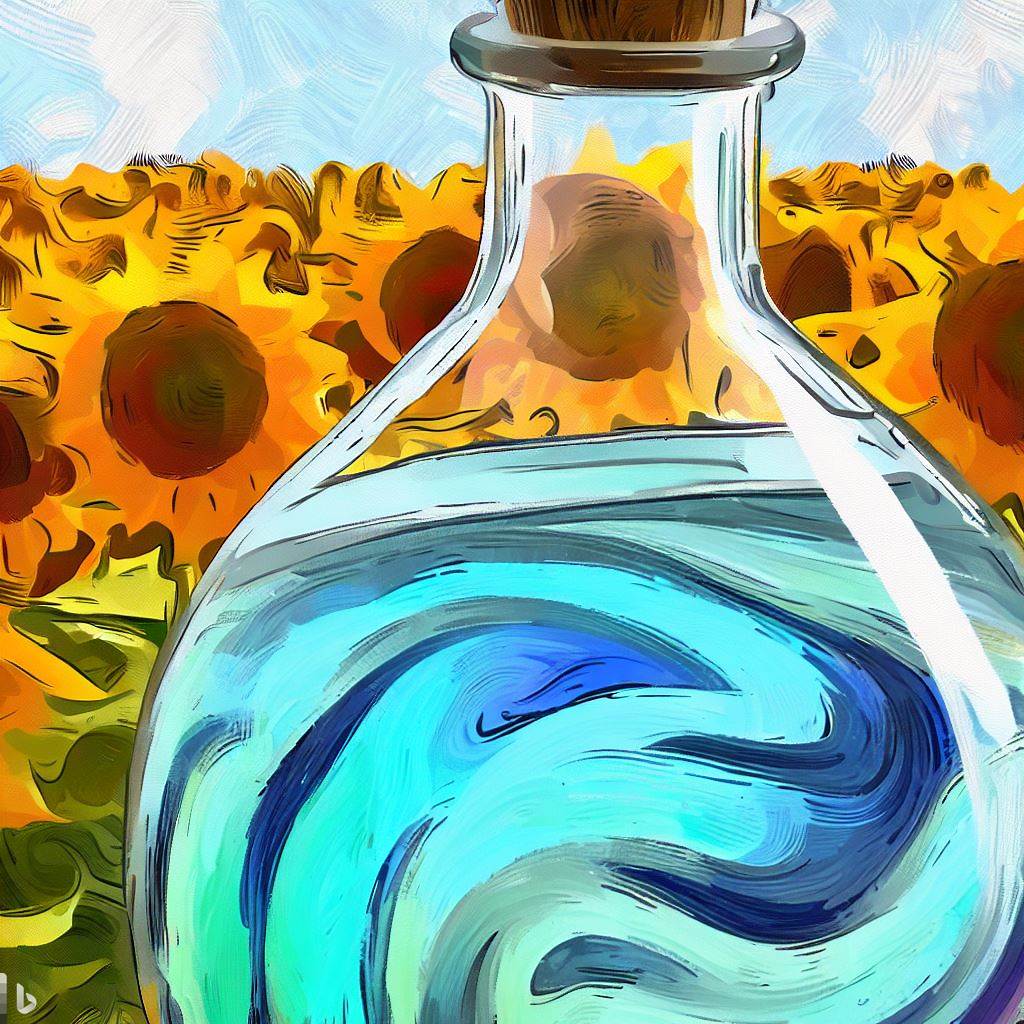
Here, I asked to merge a round-bottom flask, commonly used in chemistry laboratories, with the well-known painting styles of Van Gogh, Monet, or Kandinsky. It generates vivid and colorful images and ideas. In the end, science is nothing more than the place where creativity intertwines with intellect, and where curiosity serves as the guiding compass on our quest for knowledge. With every experiment conducted, scientists add their own strokes of brilliance to the ever-evolving canvas of human progress, illuminating new pathways and shaping a future that holds boundless potential for us all, much like the exquisite paintings of the past. Just as Van Gogh’s brushstrokes breathed life into his masterpieces, scientists utilize their knowledge and expertise to unravel the intricate mysteries of our universe. Just as Monet’s paintings capture the subtle interplay of light and color, scientists strive to unravel the intricate interconnections of the natural world. Just as Kandinsky’s art transcended traditional boundaries, science pushes the limits of our understanding, challenging conventional thinking. The idea of merging all of this with artificial intelligence, at least, looks truly fascinating.

Lisboa

Lisboa

As a famous Fado song say, “Cheira bem, cheira a Lisboa” (Smells good, smells like Lisbon).

(The 1st of July 2020 Portugal is celebrating the 100th Birthday of Amalia Rodrigues, the best and most famous Fado Singer.)

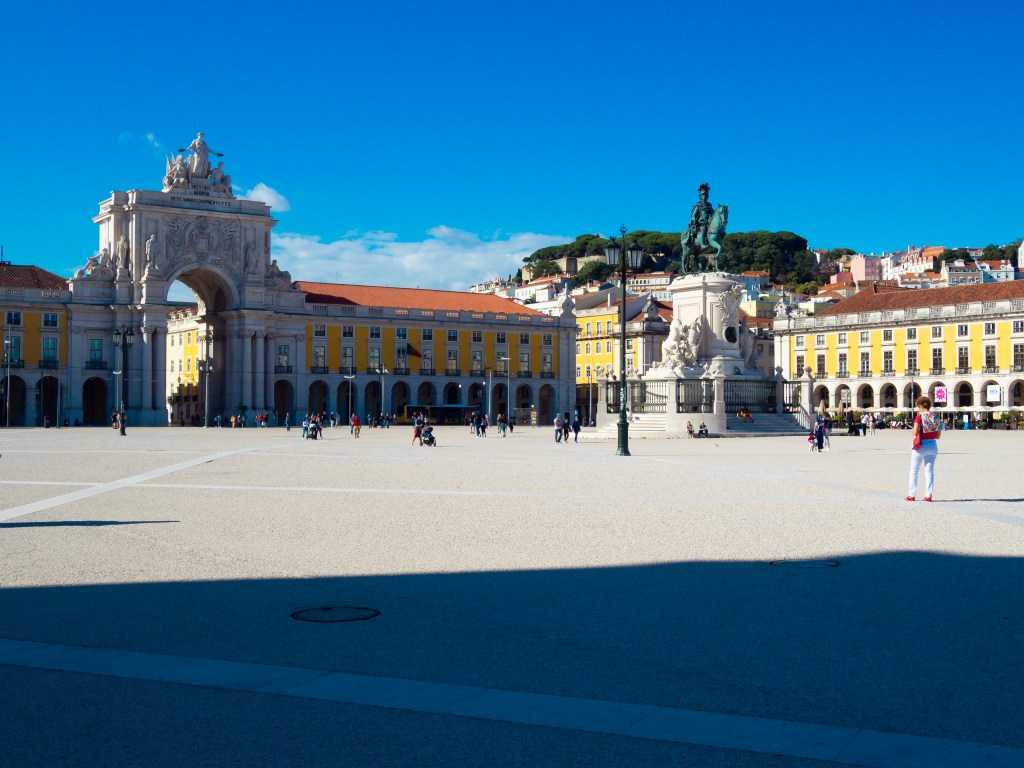
The capital of Portugal is a city of contrast. There is not a lot of people living in the city in comparison with other European and world capitals (near six hundred thousand). Despite this, is always crowded.

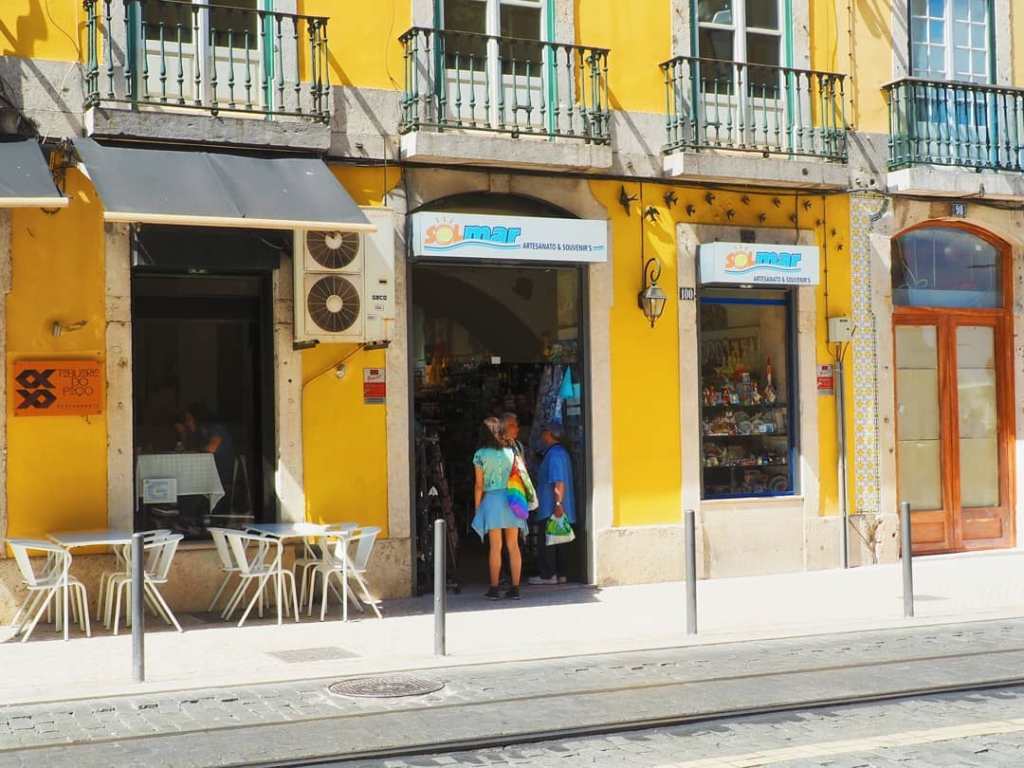
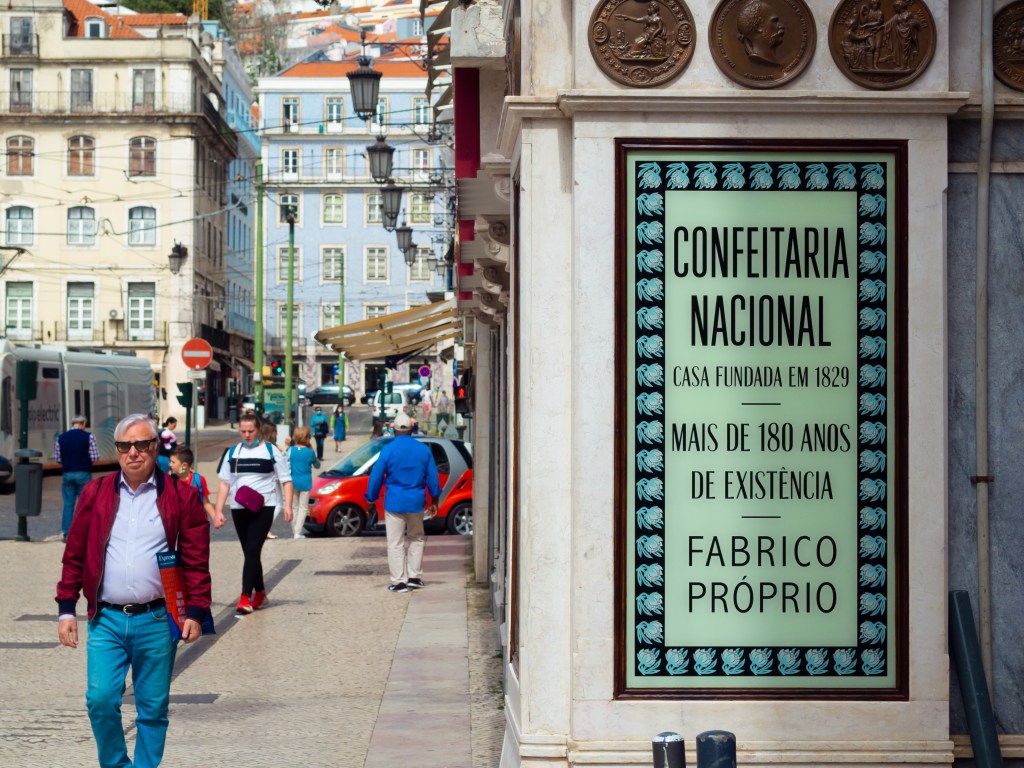
But what is Lisbon exactly? In Lisbon, you can find a mixture, a fusion between the old traditions and the new times. Lisbon is old buildings with foreign supermarkets. Is that smell of coffee in the morning and mojitos during the night. Is the Fado in Alfama and electronic music near the river. I am sure that you will find a place, a spot that will make you feel like home.

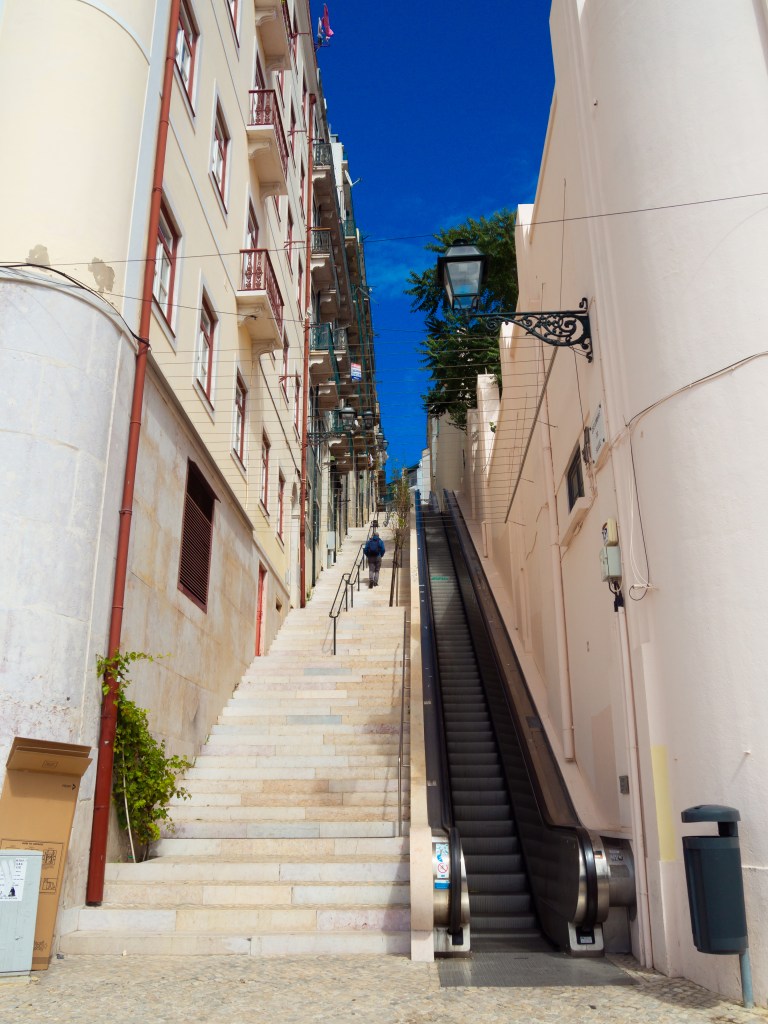
Speaking about the old and the new, as a staging, I like a lot the mechanical stairs in Rua Da Mouraria:

Rua da Mouraria

Is true that you already can find some famous elevators in the city. It helps a lot (not all the people have the willing or the physical condition to climb every day, maybe the temperature don’t help…). Still, you must agree that, in a certain way, is unexpected.
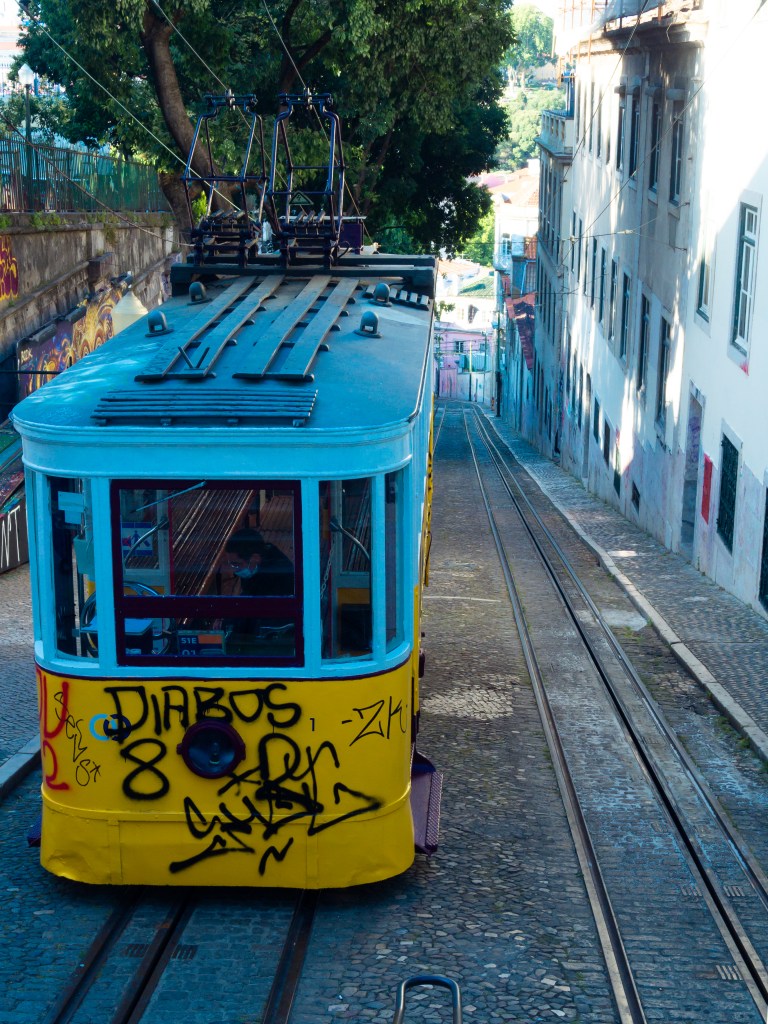
One of the most famous is the electrical “Ascensor da Glória”:

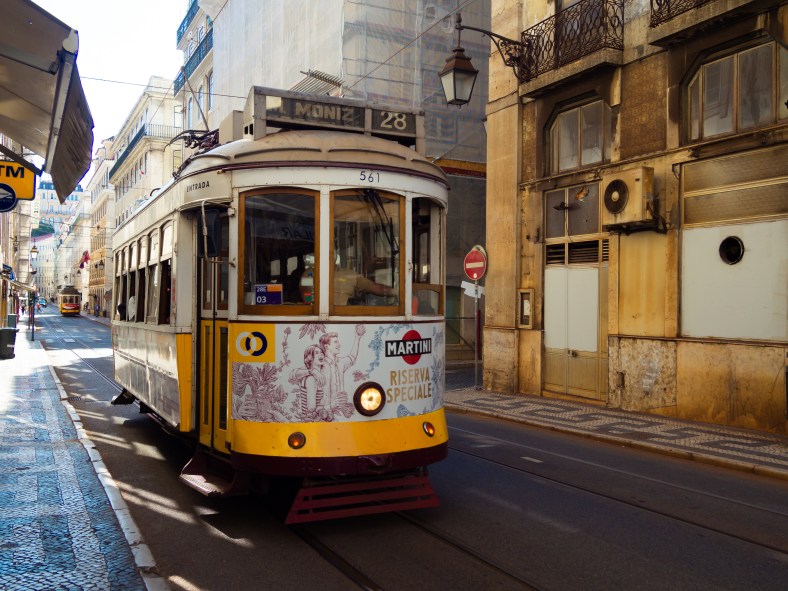
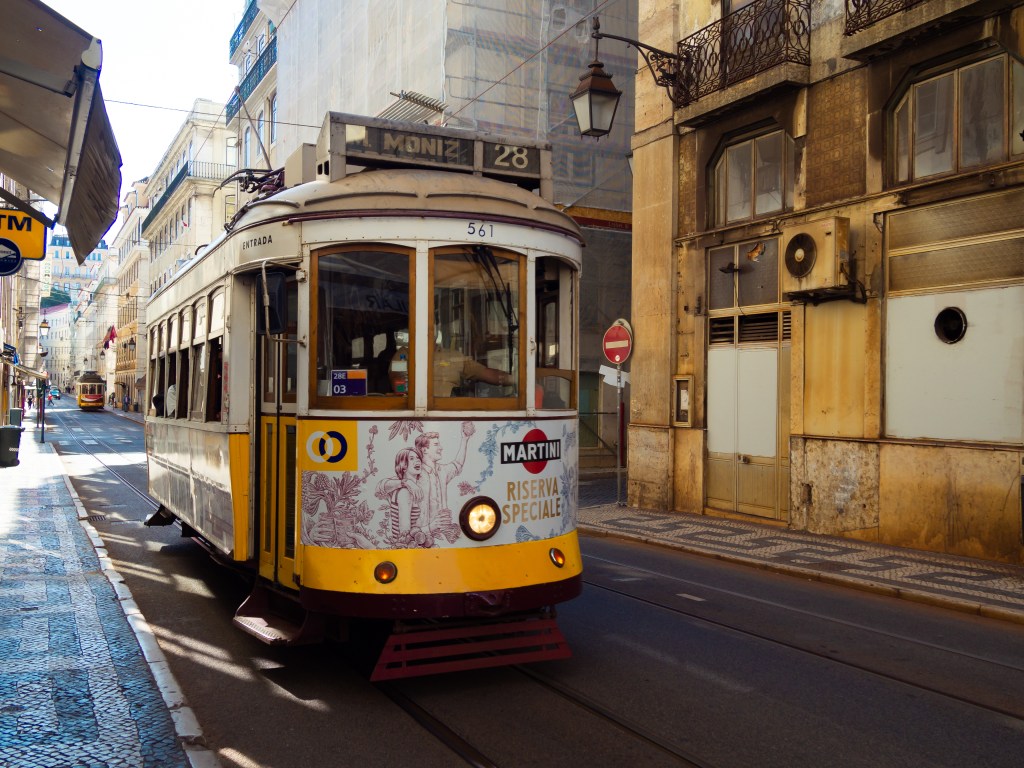
Electric Tram

It connects the square of Restauradores with the Garden of São Pedro de Alcântara in a 275 meters trip. But in this case, a single ride worth 3.5€.
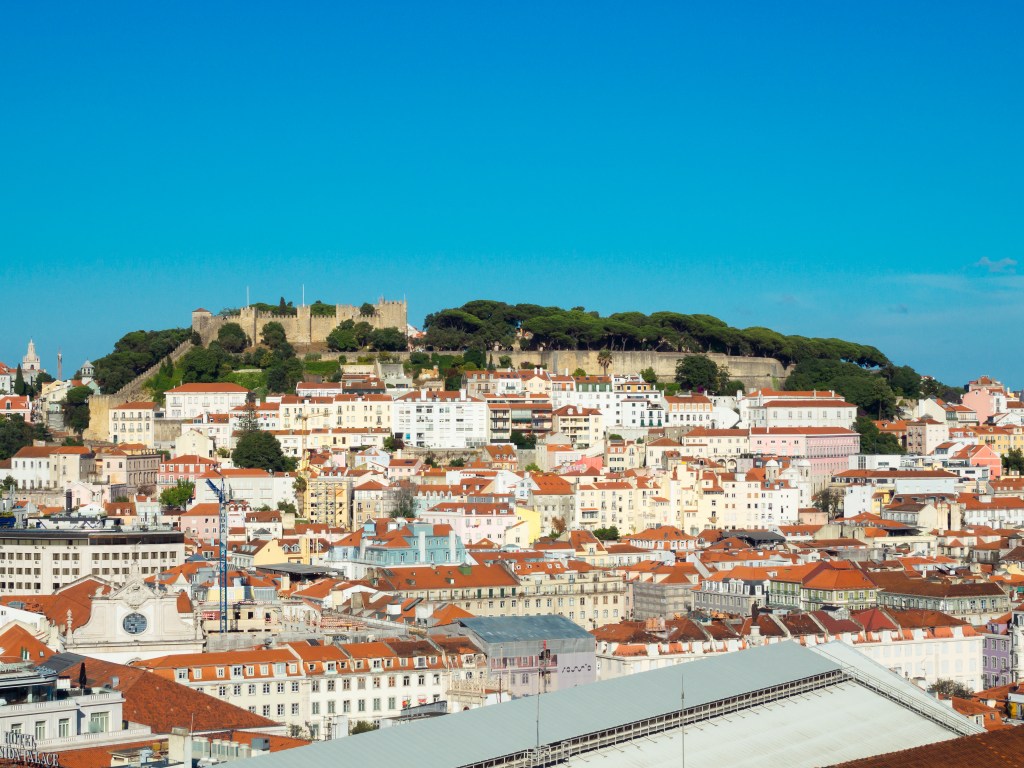
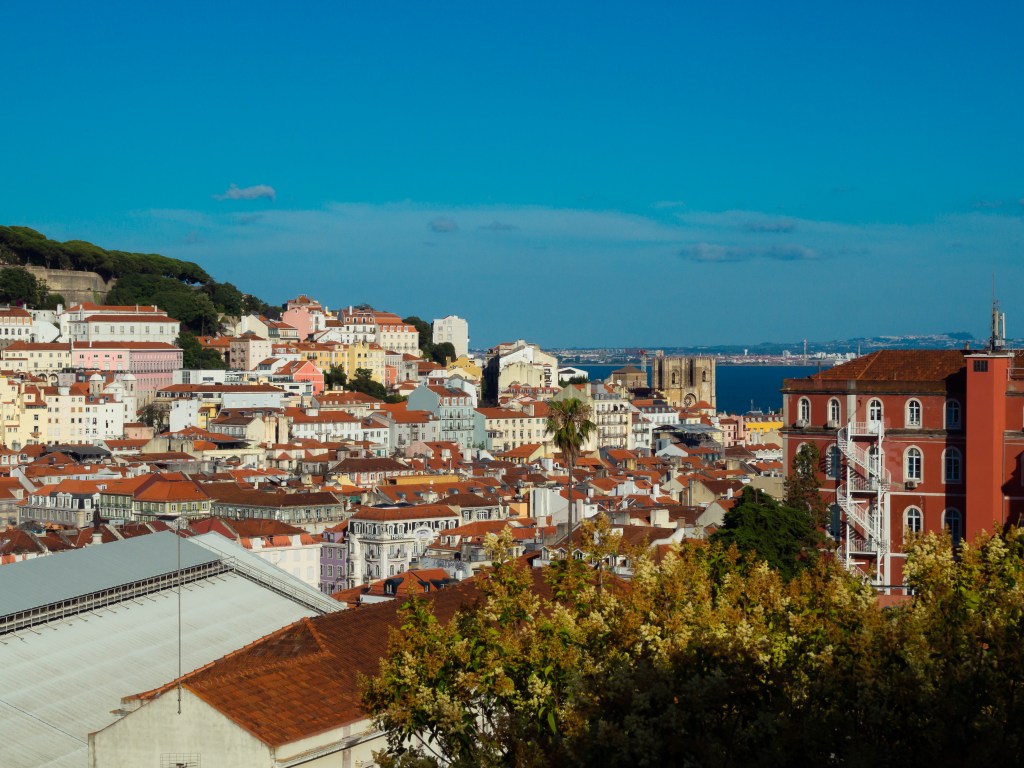
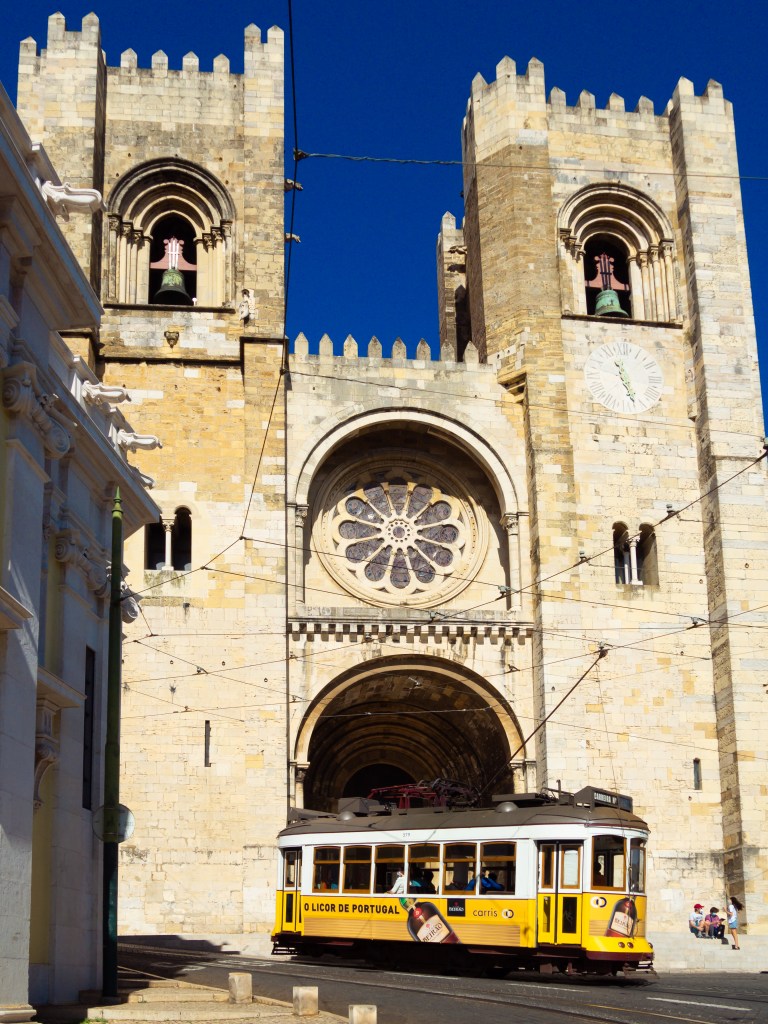
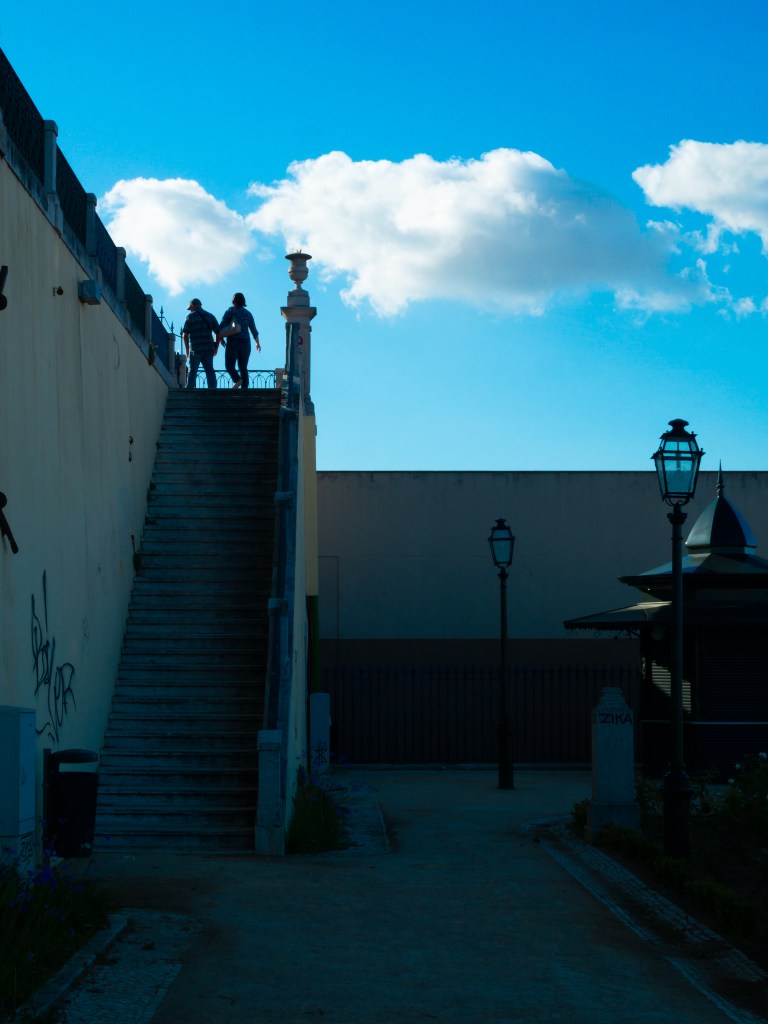
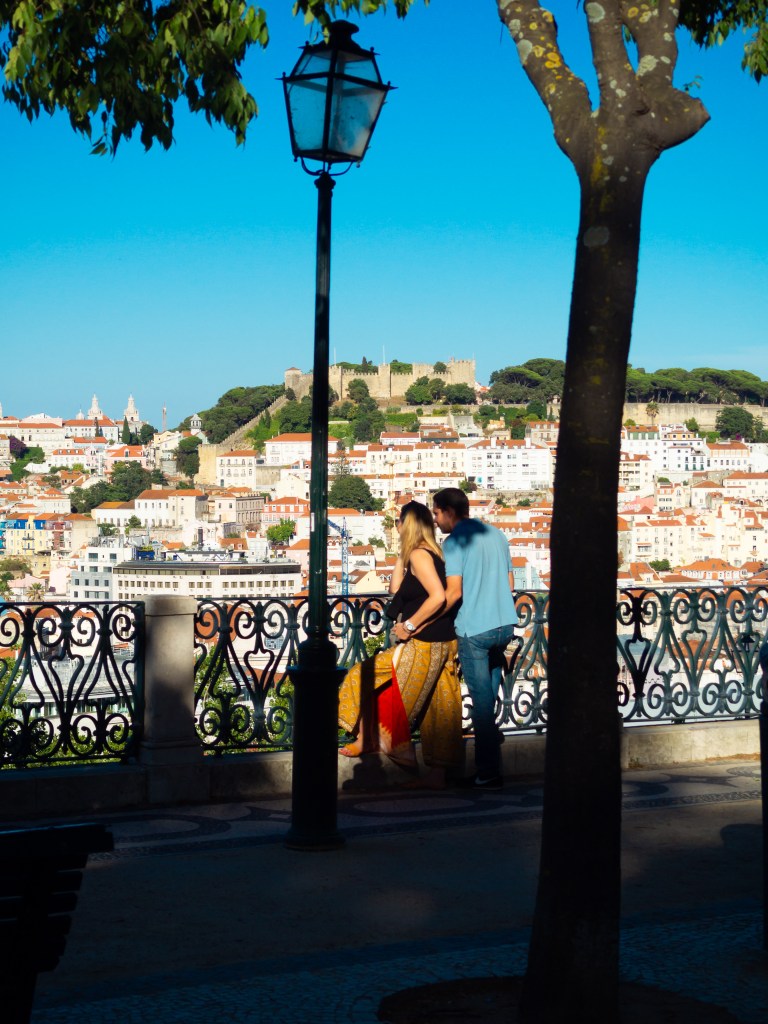
The Garden of São Pedro de Alcântara is an excellent point of the city. Really near the Bairro Alto, you can enjoy the magnificent views of Lisbon and see the Castel or the Cathedral in all its splendour.

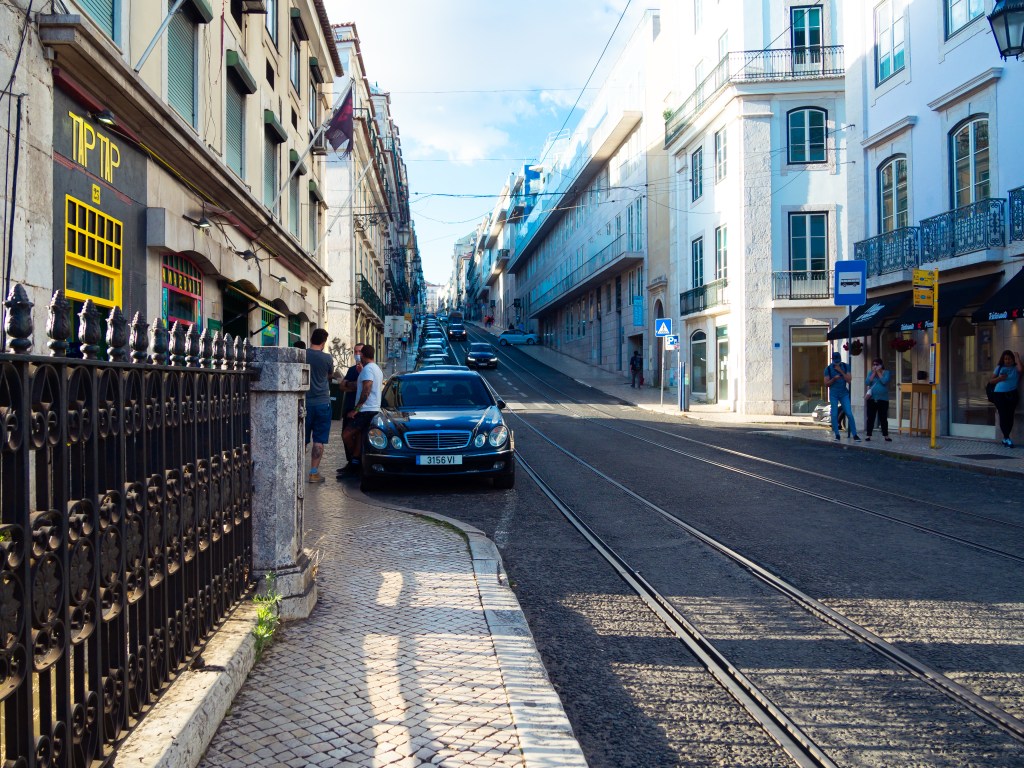
Moving on the city of the “Sete Colinas” (city with seven hills) walking can be a tiring experience. You will end up going up and down a lot. The metro and the bus works well (usually). Still, the most immersive experience will be the use of electric trams. They are all around, and if you find one that is not extremely full, it will give you privilege views of the city, but you need to take care of your things. It is one of the pickpocket’s favourite spots.

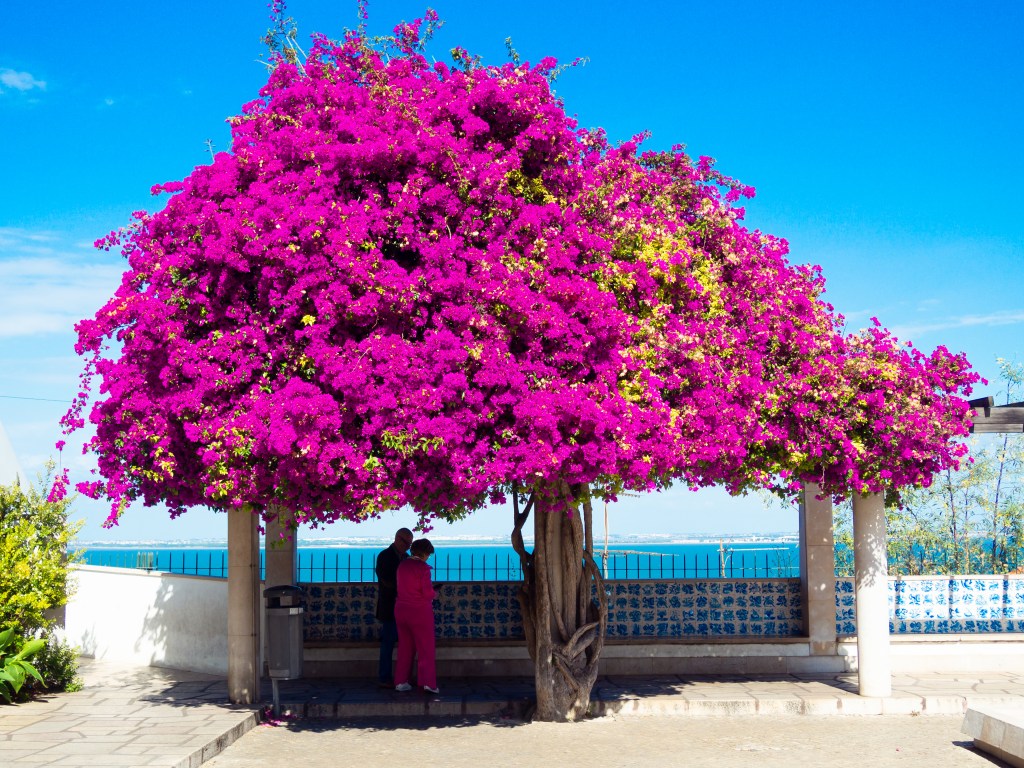
Another beautiful spot with magnificent views is the “Miradouro da Graça”. Here you can find a place to relax and drink some water, necessary to rehydration after all the climbing!

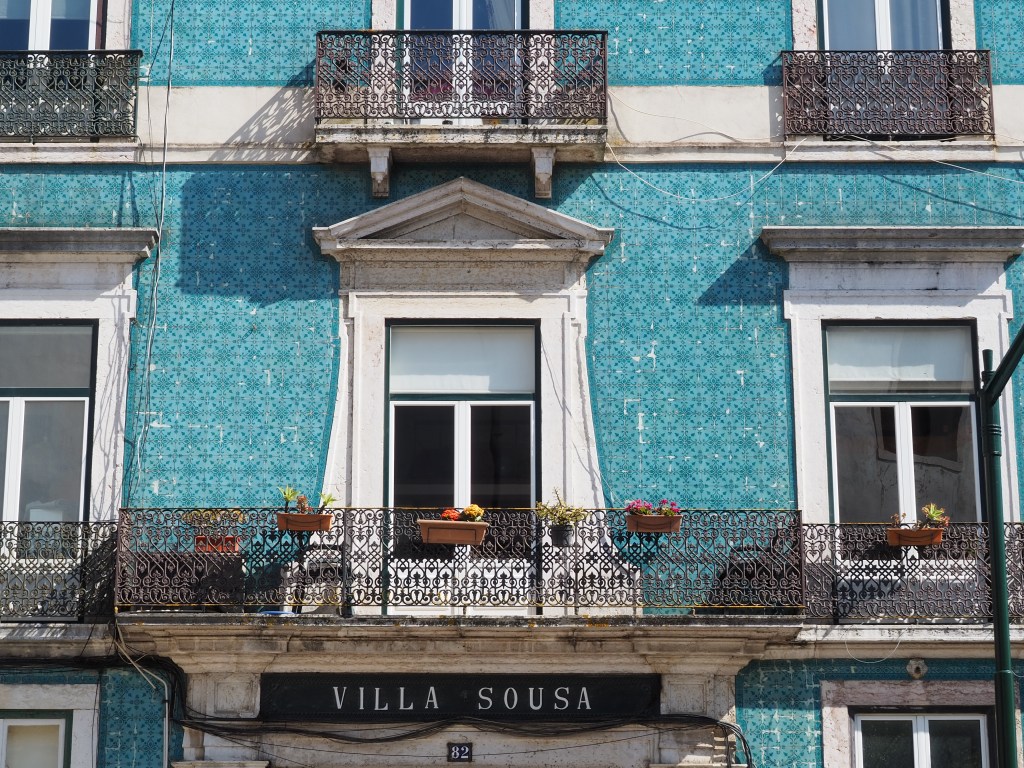
During your visit, you will also notice all the astonishing “azulejos” (tiles) that decorate the city. They are everywhere, in different patterns and colours.
They are decorating a lot of buildings in the city, giving the town a particular aspect.

The problem is when they are not well kept. Well, that’s not the only problem. Many of the tiles are uprooted to sell to tourists as souvenirs. It is easy to spot them in the “Feira da Ladra” (https://www.visitlisboa.com/en/events/feira-da-ladra-flea-market). Still, I would suggest you avoid the temptation and pick another reminder.

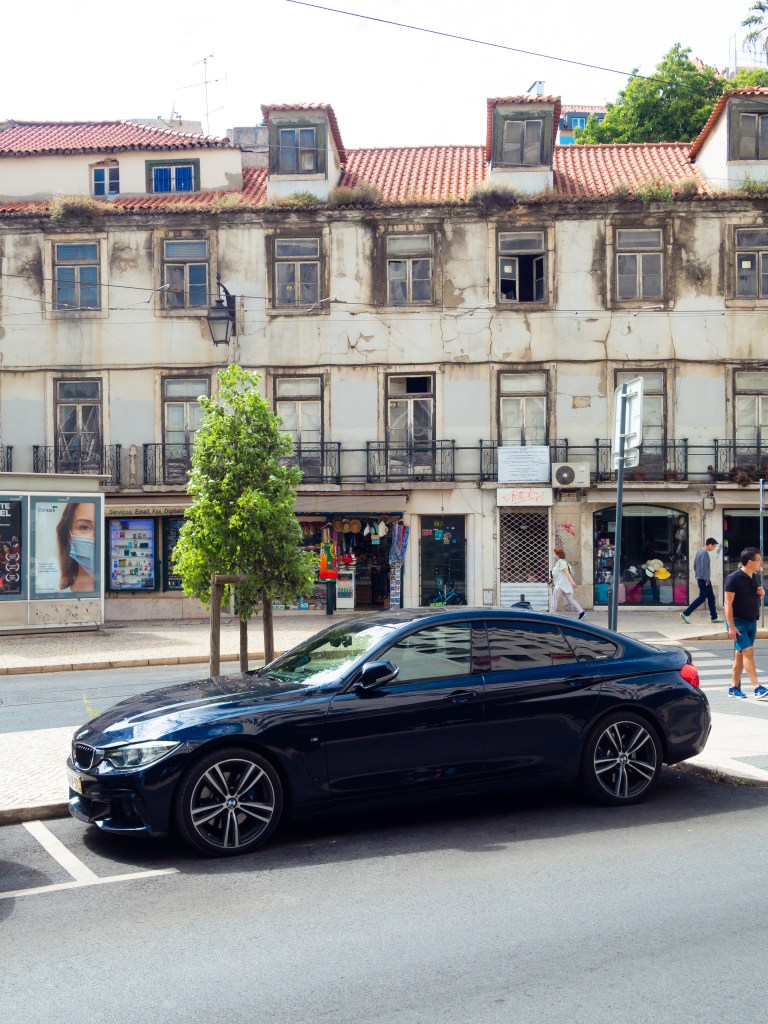
Lisbon, in definitive, is that. The old and the new. And it is patent when you start walking around, mainly, in some “buildings”. Could it be better kept? Sure. Would it be the same?

The most important part here, no matter if it is winter, spring, summer or autumn, is enjoying a magical city that never defrauds.

Lisbon

Costa de Caparica

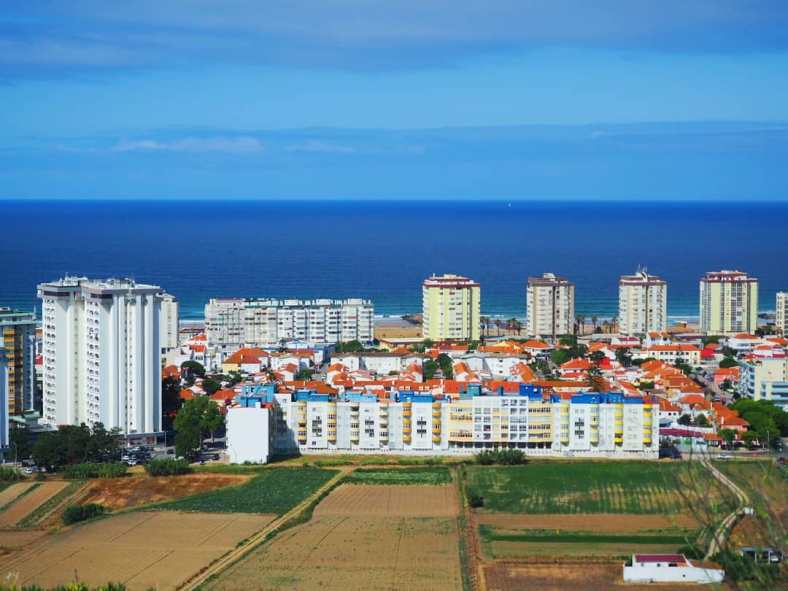
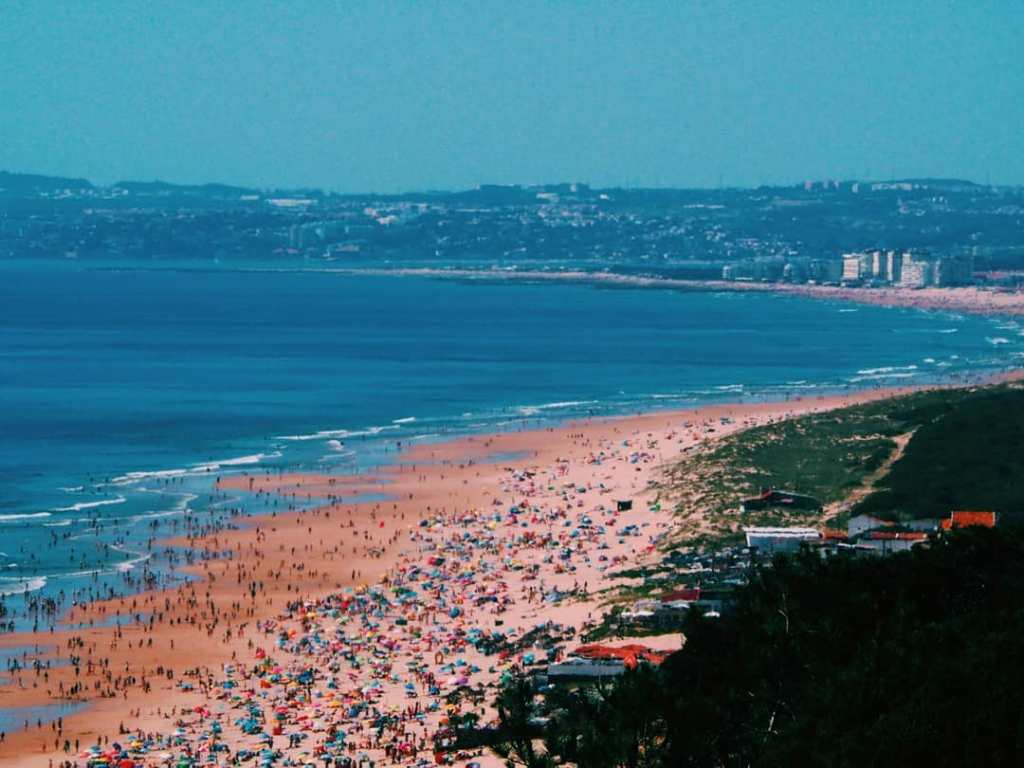
Costa de Caparica is a small city near the capital of Portugal, Lisbon, on the occidental coast of the Peninsula of Setúbal. Costa de Caparica has more than 25 km of a continues beach and is one of the largest continueous beaches in Portugal. (Google maps link: shorturl.at/jEQ12) (Wikipedia: https://en.wikipedia.org/wiki/Costa_de_Caparica)

Costa de Caparica from Mirador dos Capuchos

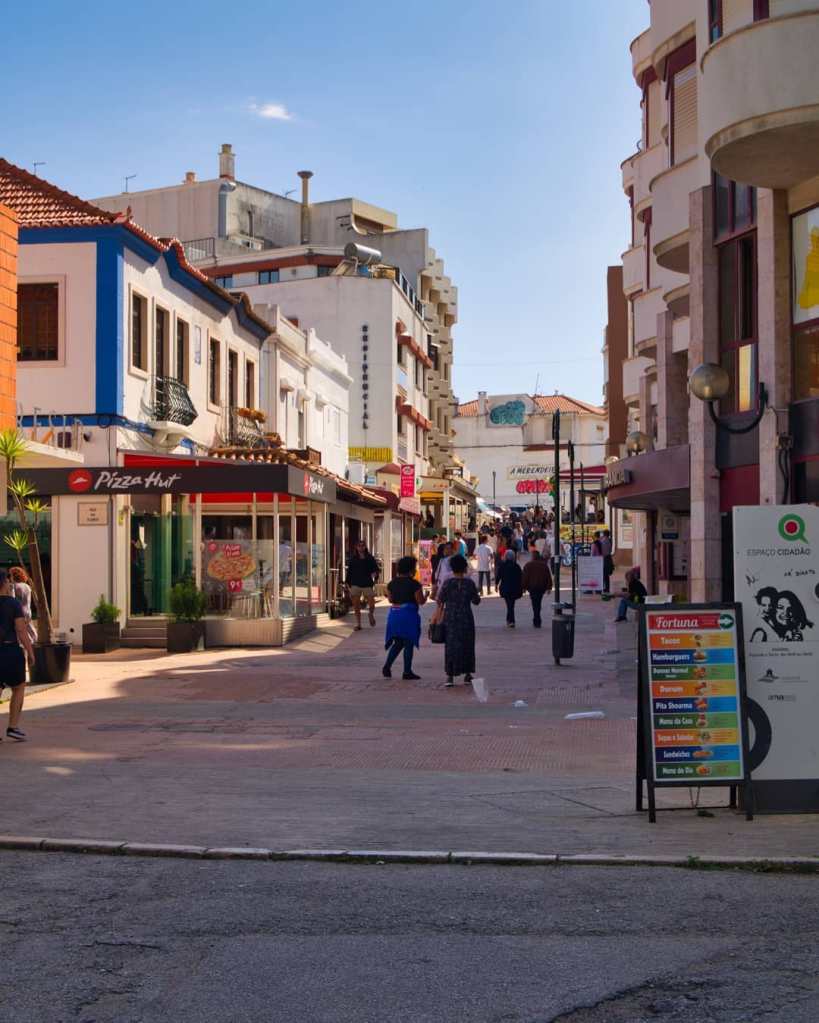
There is not a big city centre, and you can find most of the shops in a small street called “Rua dos Pescadores”.

Rua dos Pescadores

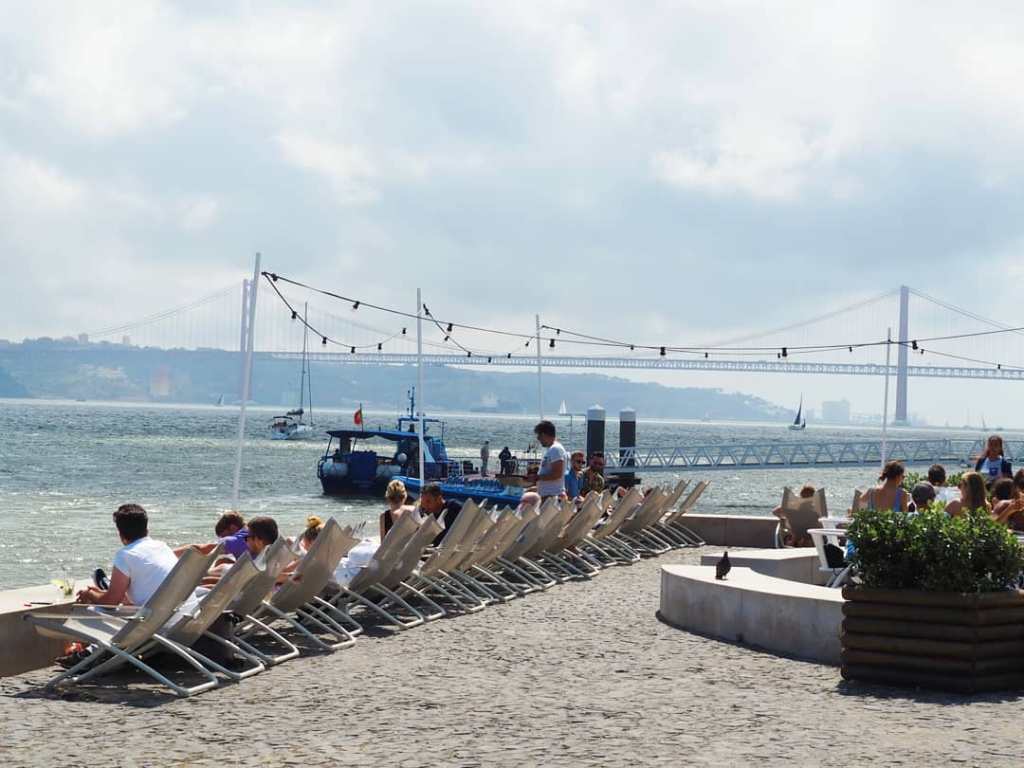
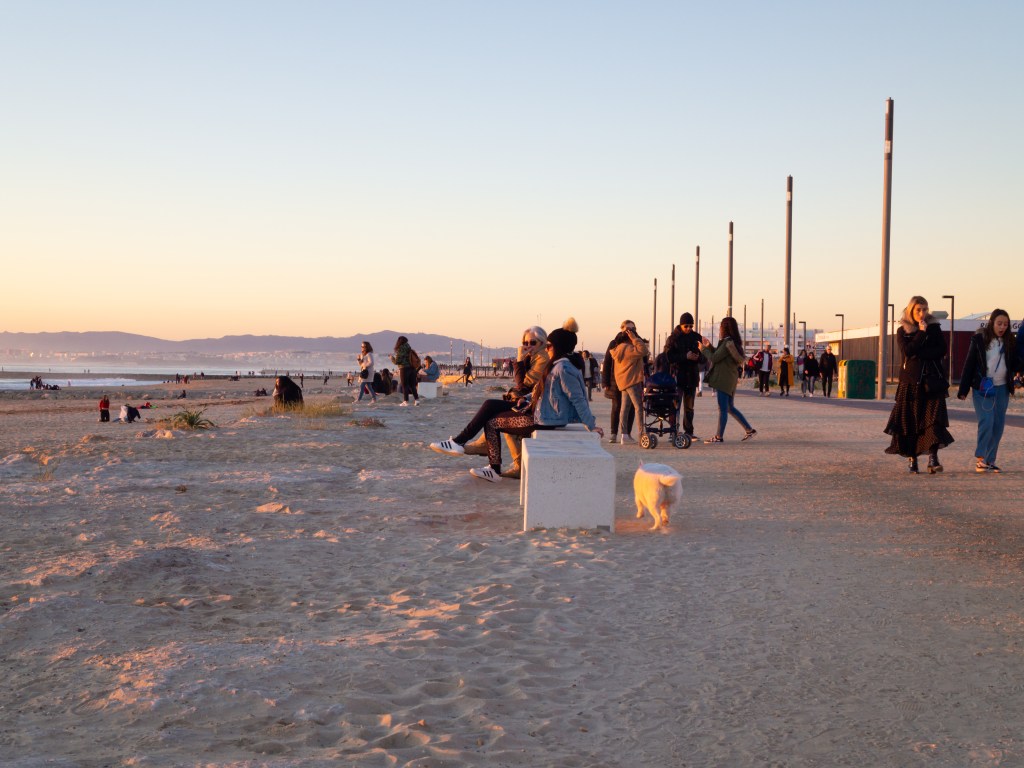
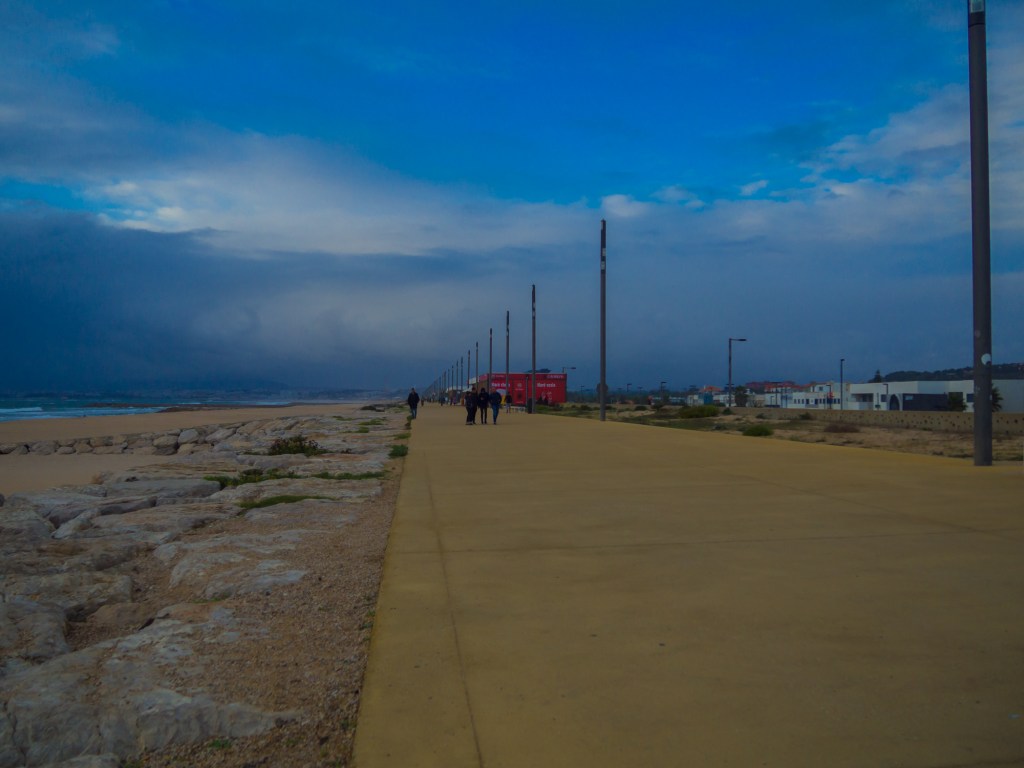
The most beautyful part, in my opinion, is the seafront (and the beach, of course), at any time of the year:

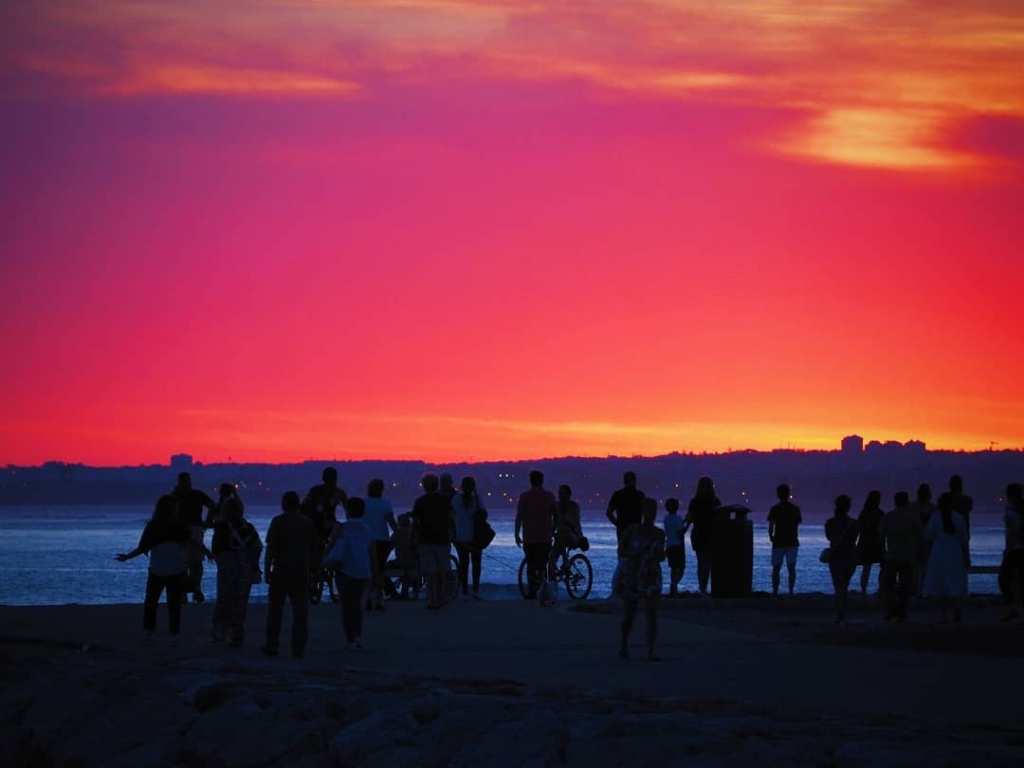
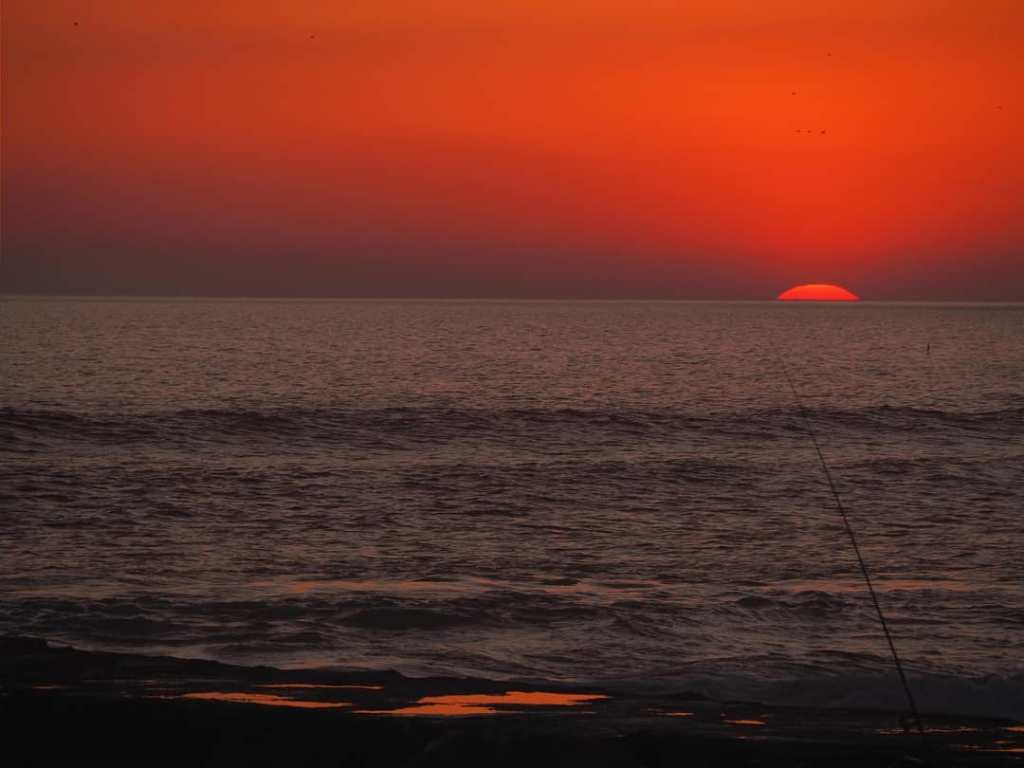
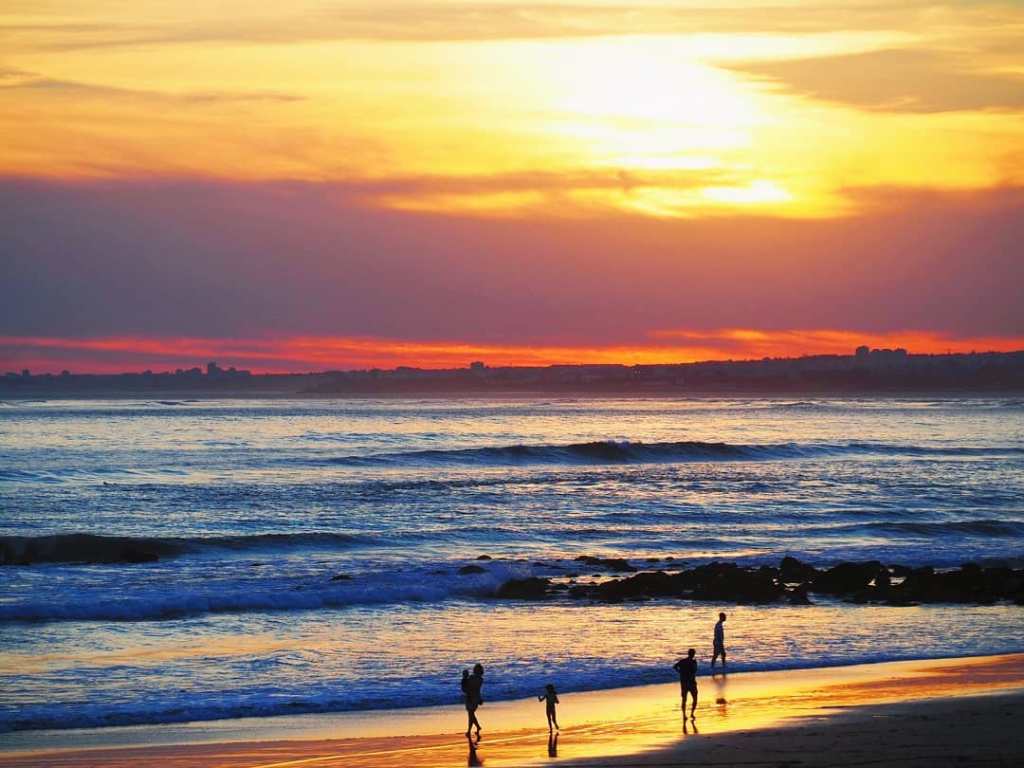
With a length of more or less two kilometres, is the ideal place to walk, do some running with fresh air, or enjoy the excellent weather watching a magnificent sunset.

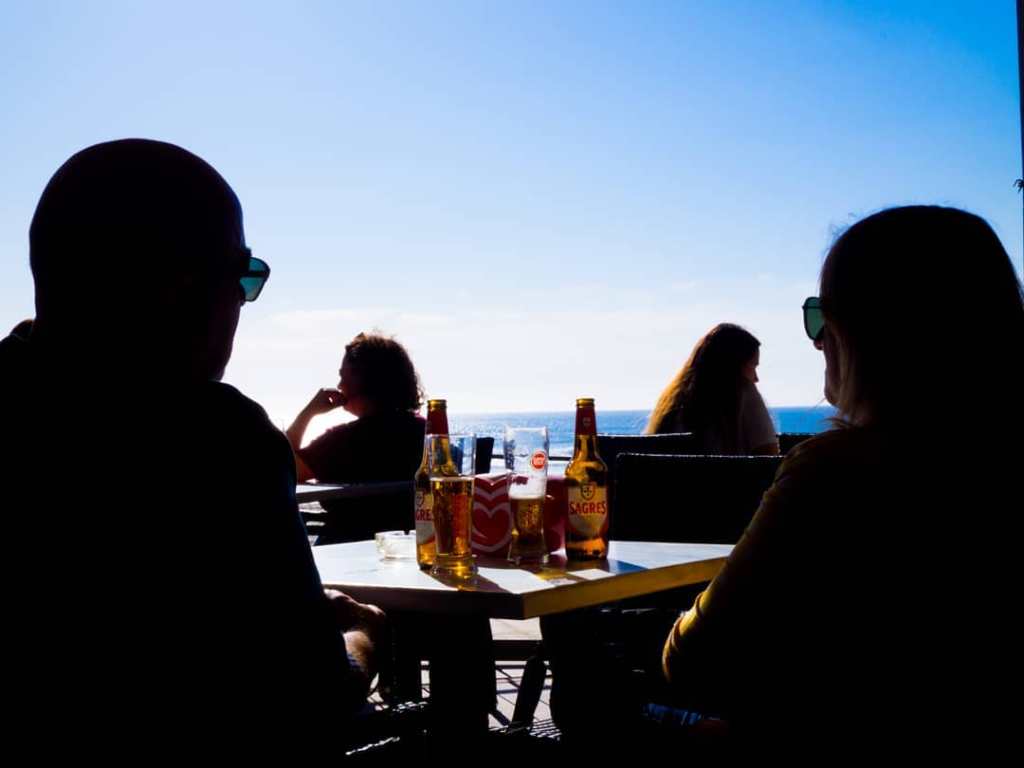
You will find several restaurants and bars in the seafront, where you can enjoy the Portuguese cousin or relax taking a beer with excellent views.

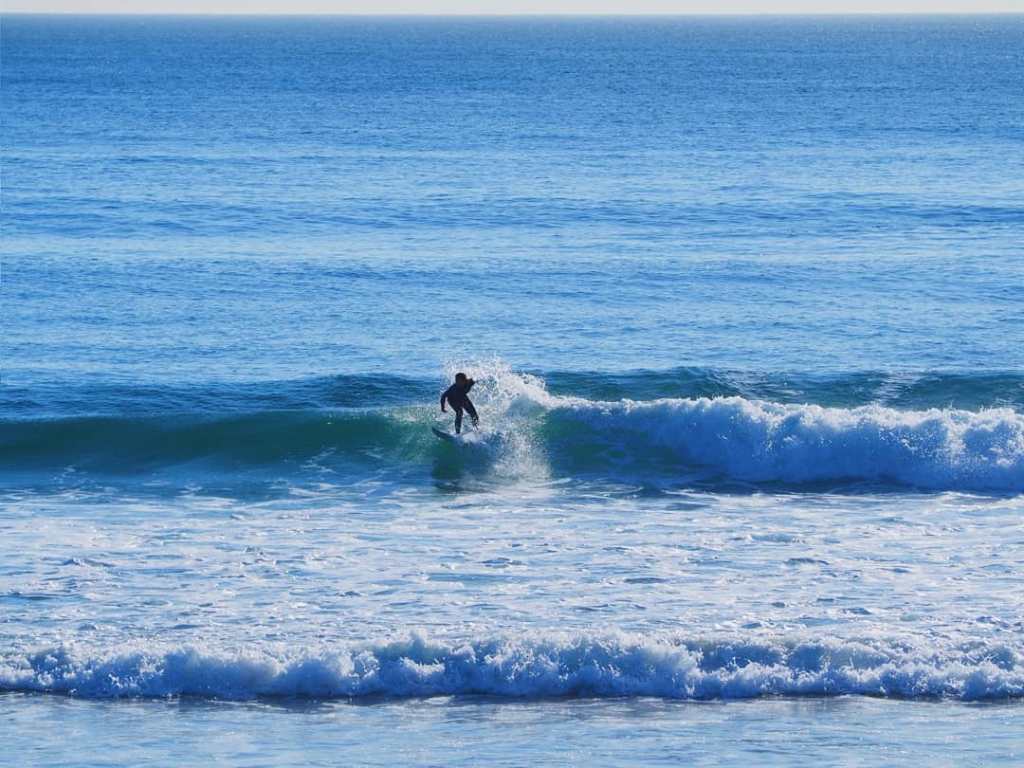
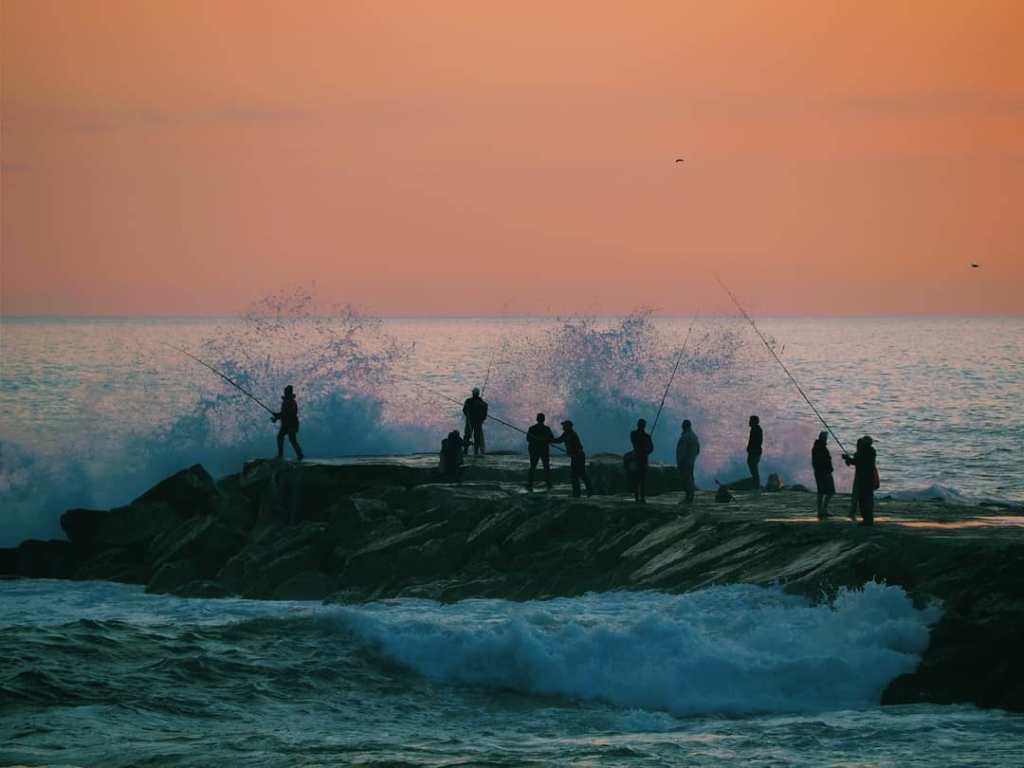
Besides going to take some sun and a bath at the beach (note that is the Atlantic Ocean, where the water will “refresh” you in a hot day), the people enjoy doing other activities like surfing or fishing.

During the summer nights, Costa de Caparica is a vivid city where you always can find a place with good music to enjoy a warm night near the ocean (until 2 AM at least…)

If you want to go to another beach farther away from the centre, my recommendation would be Fonte da Telha. You can reach it by car or by bus. It is a more open beach, also with several good restaurants, which a lot of people like:

Fonte da Telha

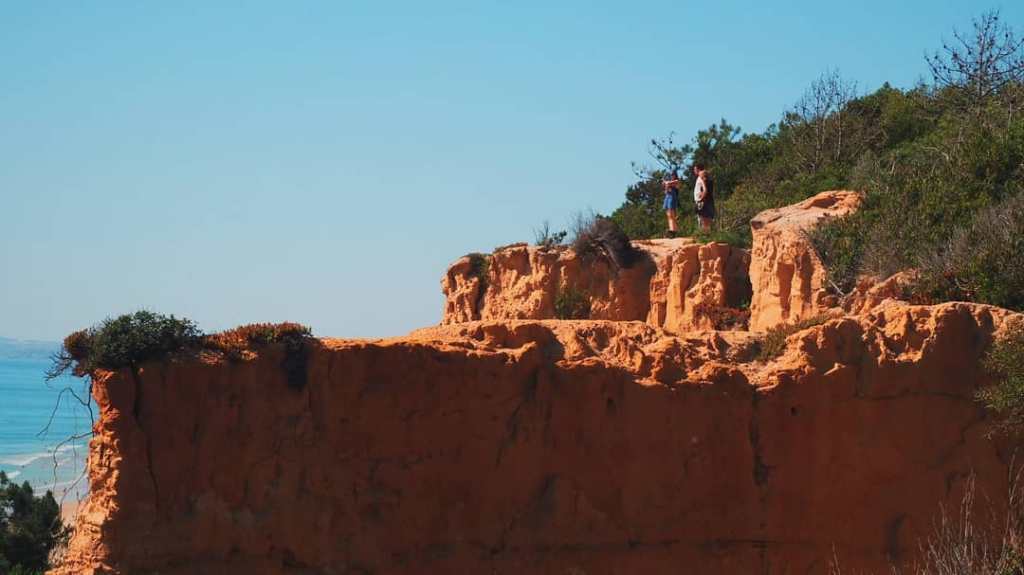
Here you can climb to the “Falésia” (the cliff), to get some beautiful views of the coast-line, and also will allow you to be more in contact with the local nature.

In definitive, if you enjoy the beach, good food and some nature, Costa de Caparica seems to be a fantastic destination for some holidays.

Costa de Caparica

Also, without forgetting that just in 15 minutes (nowadays, less than 20€ in some popular ride service hailing) you will be in Lisbon centre, but that’s a story for another day.

Ponte 25 de Abril