Artificial Intelligence (AI)

Artificial intelligence may seem like one of those things that no one asked for, but that everyone uses. With a myriad of applications, it can be helpful in many topics. Personally, I am eager to see what it is capable of in the field of video games. It must be interesting to have “real” conversations with NPCs that can make your experience more immersive. Another area where it can be really helpful is in planning. Have you ever tried to plan a trip, searching through several pages to find the best flight combinations, accommodations, and public transportation options? It would be great to have a tool that can provide excellent suggestions in just a few minutes instead of spending hours looking for them. The way artificial intelligence interprets things is also interesting. It will continue to improve, and sometimes it may seem daunting, but the ability to merge thousands of ideas to create or develop a new one in less than a minute is quite remarkable to witness.

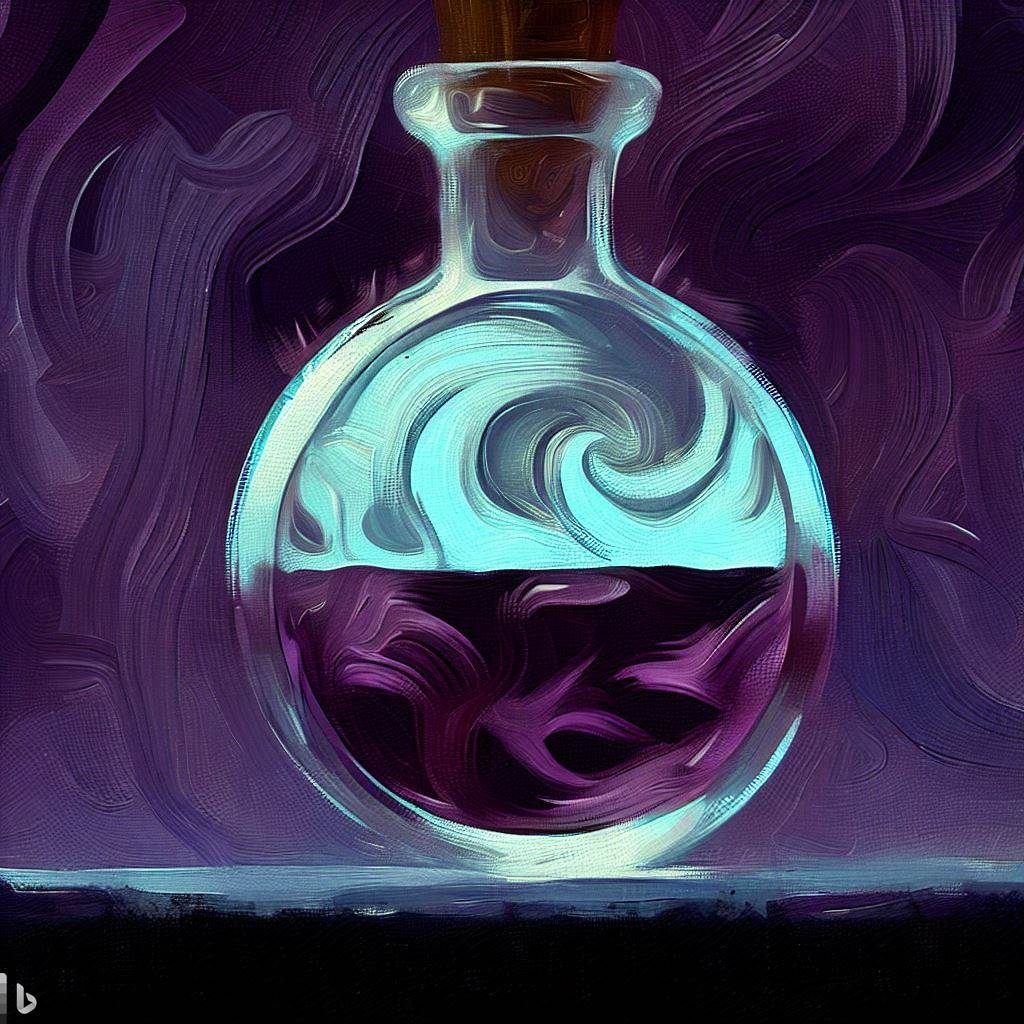
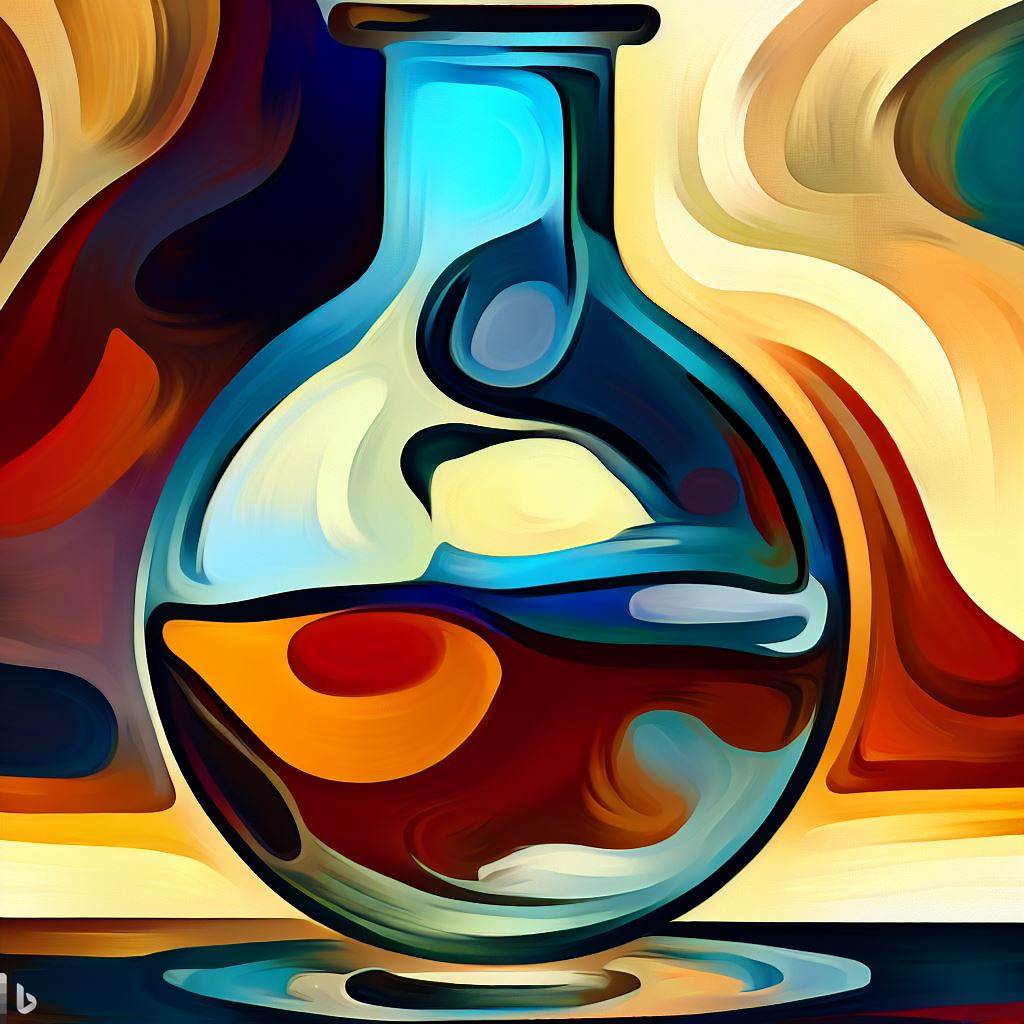
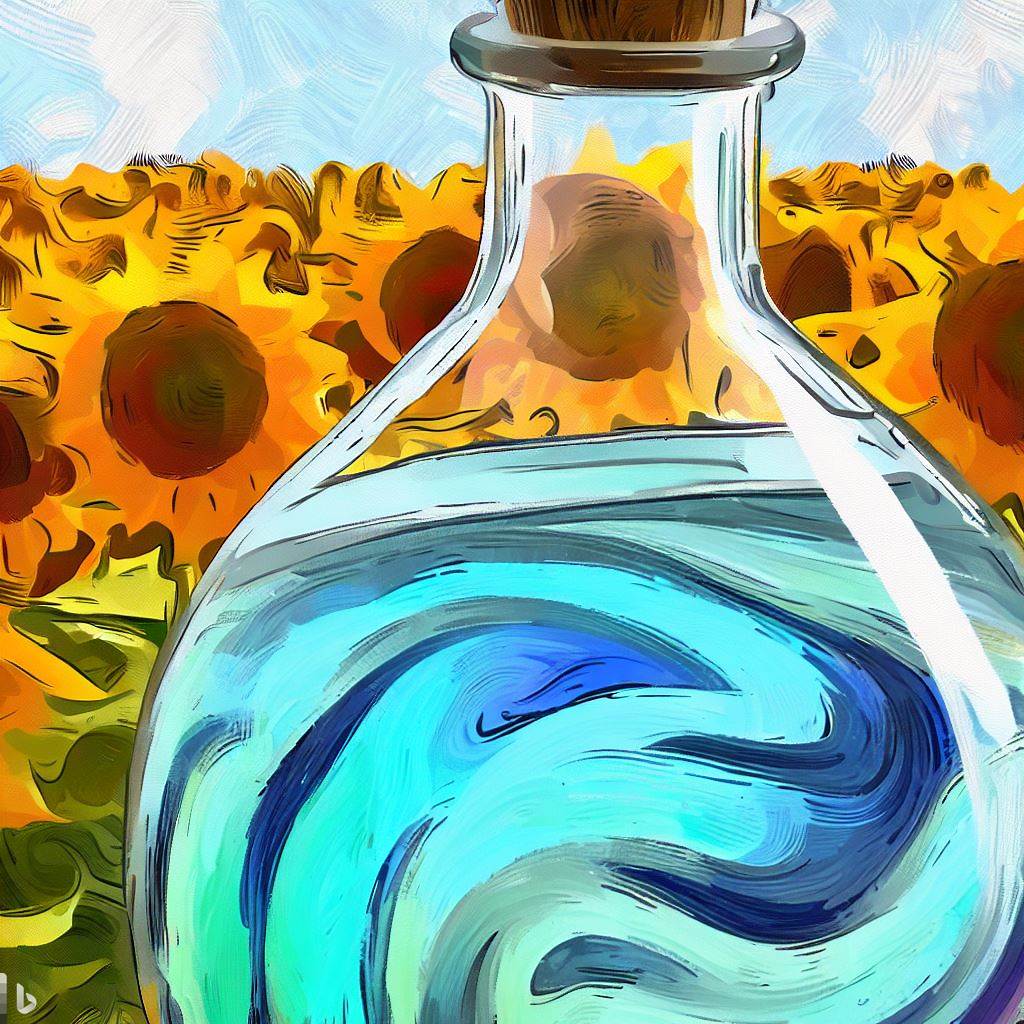
Here, I asked to merge a round-bottom flask, commonly used in chemistry laboratories, with the well-known painting styles of Van Gogh, Monet, or Kandinsky. It generates vivid and colorful images and ideas. In the end, science is nothing more than the place where creativity intertwines with intellect, and where curiosity serves as the guiding compass on our quest for knowledge. With every experiment conducted, scientists add their own strokes of brilliance to the ever-evolving canvas of human progress, illuminating new pathways and shaping a future that holds boundless potential for us all, much like the exquisite paintings of the past. Just as Van Gogh’s brushstrokes breathed life into his masterpieces, scientists utilize their knowledge and expertise to unravel the intricate mysteries of our universe. Just as Monet’s paintings capture the subtle interplay of light and color, scientists strive to unravel the intricate interconnections of the natural world. Just as Kandinsky’s art transcended traditional boundaries, science pushes the limits of our understanding, challenging conventional thinking. The idea of merging all of this with artificial intelligence, at least, looks truly fascinating.
Let’s start from the bottom

Nanotechnology has always fascinated me as a field that holds great promise and potential for the future. The origins of this exciting field can be traced back to Michael Faraday. It is true that exists several examples of the use of nanomaterials in the past, such as the Lycurgus cup (https://en.wikipedia.org/wiki/Lycurgus_Cup), but was none until the famous “The Bakerian Lecture” in 1857 (https://doi.org/10.1098/rstl.1857.0011) where he started to begin exploring the relationship between the size of gold or other metals and their optical properties, and probably giving birth to what we call today nanotechnology. Several scientists came after Faraday as Richard Zsigmondy (Chemistry Nobel Prize in 1925) and Jean Baptiste Perrin (Physics Nobel Prize in 1926), which helped colloidal science advance and understanding. We cannot dismiss the contribution of Turkevich, Stevenson and Hillier in 1951 with their famous gold nanoparticle synthesis (https://pubs.rsc.org/en/content/articlelanding/1951/DF/DF9511100055), which is still widely used nowadays. Almost a hundred years later, Richard Feynman’s seminal lecture “There’s Plenty of Room at the Bottom” (delivered in 1959, https://web.pa.msu.edu/people/yang/RFeynman_plentySpace.pdf) proposed the possibility of manipulating individual atoms and molecules, which he believed would lead to a new era of technological innovation. Richard Feynman’s groundbreaking work on manipulating atoms and molecules paved the way for the development of nanotechnology. It inspired a new generation of scientists to explore the possibilities of working at the nanoscale.

It was not until the 1980s that K. Eric Drexler coined the term “nanotechnology” and introduced the concept of molecular manufacturing in his book “Engines of Creation”. It led to a surge of interest in the field and the exploration of new ways to manipulate matter at the nanoscale.

Over the years, advancements in imaging and microscopy technology have allowed scientists to study and manipulate matter at the nanoscale with greater precision, leading to the discovery of new materials and applications. Today, nanotechnology has found applications in many areas, including medicine, energy, and electronics.

The history of nanotechnology is a fascinating story of human and scientific progress. As we continue exploring this field, we must remain responsible in maximising its benefits while minimising potential risks.